Orthosomnia — the wearable sickness. Do you have it?
For seven years I opened Oura every morning like a report card. Then I learned what I was doing had a name — orthosomnia. What it is, why trackers mislead us, and how I changed my approach.

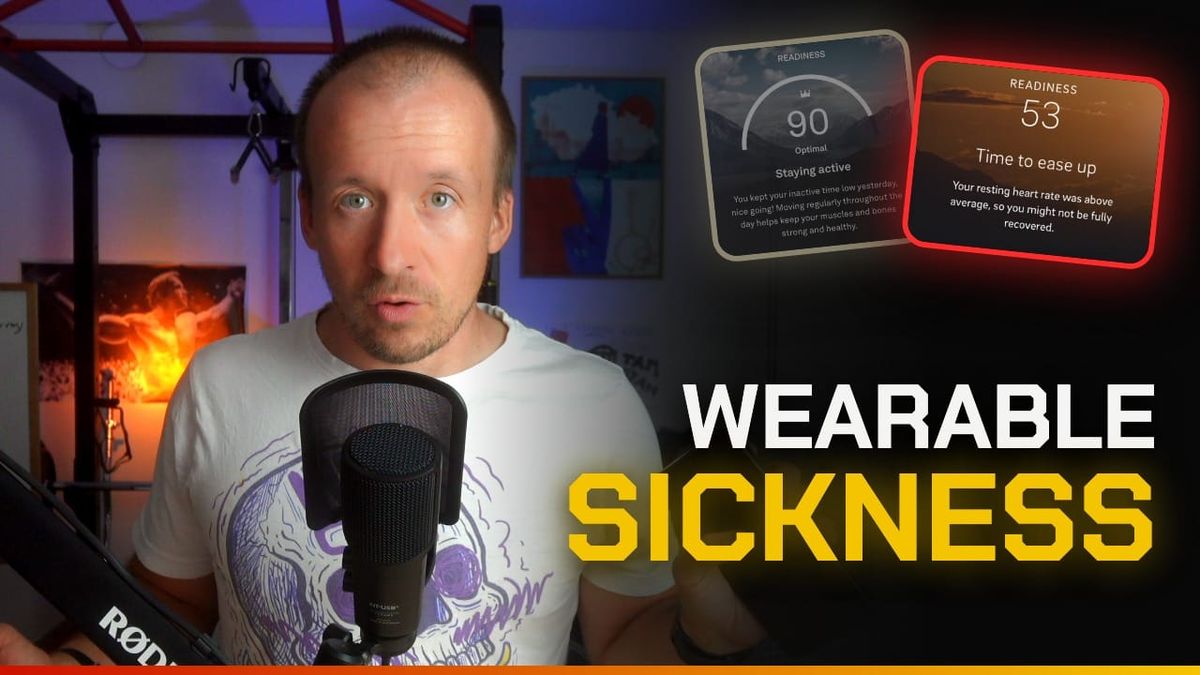
Seven years ago, I opened the Oura app every single morning — eager for my daily report card in the form of a Readiness Score. It felt like Christmas every day. Except the gift wasn't always what I hoped for...
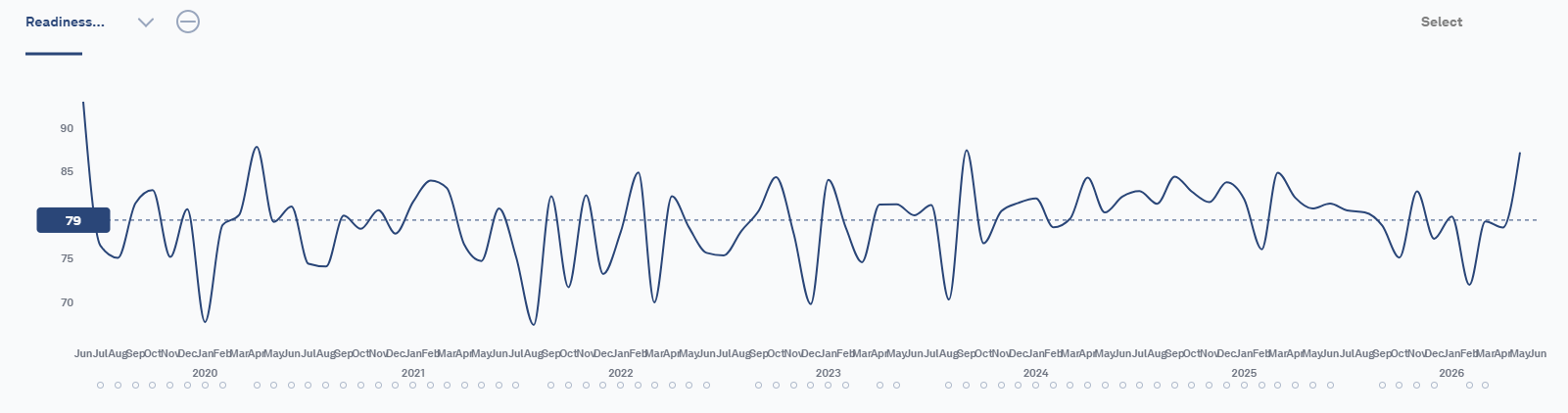
Good score? Great — this will be a fantastic day.
Bad score? What the hell? 🤬 I did everything right yesterday — wore my blue-light blocking glasses, had my last meal at lunch, my last coffee last week and my last beer the month before last, took glycine, L-theanine and kiwi, had sex — but nothing too strenuous (thanks, Mrs. Fitnesator), wore socks to bed (put them on after the sex), had a hot bath, slept with an elevated mattress, a weighted blanket, mouth tape, a sleep mask, and some brain-stimulating headband for deep sleep. And still — a bad score.
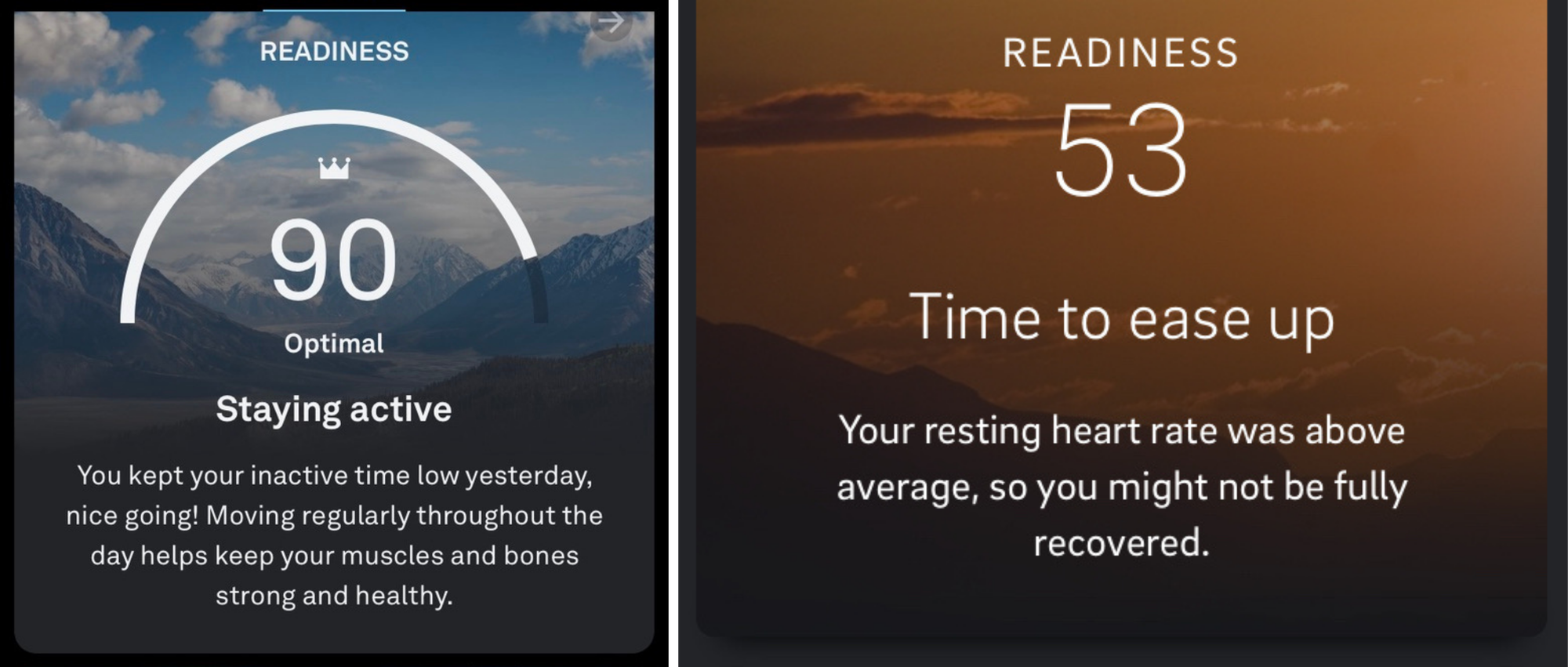
I now know that what I was doing has a name: Orthosomnia. In this article, we'll look at what it is, how I dealt with it, and what the research actually says.
Let's get into it 💥
😴 What is orthosomnia, exactly?
The term was coined in 2017 by a team of researchers led by Kelly Glazer Baron, PhD, in the Journal of Clinical Sleep Medicine. The word comes from:
ortho (correct, straight) and somnia (sleep — from Latin, somnus).
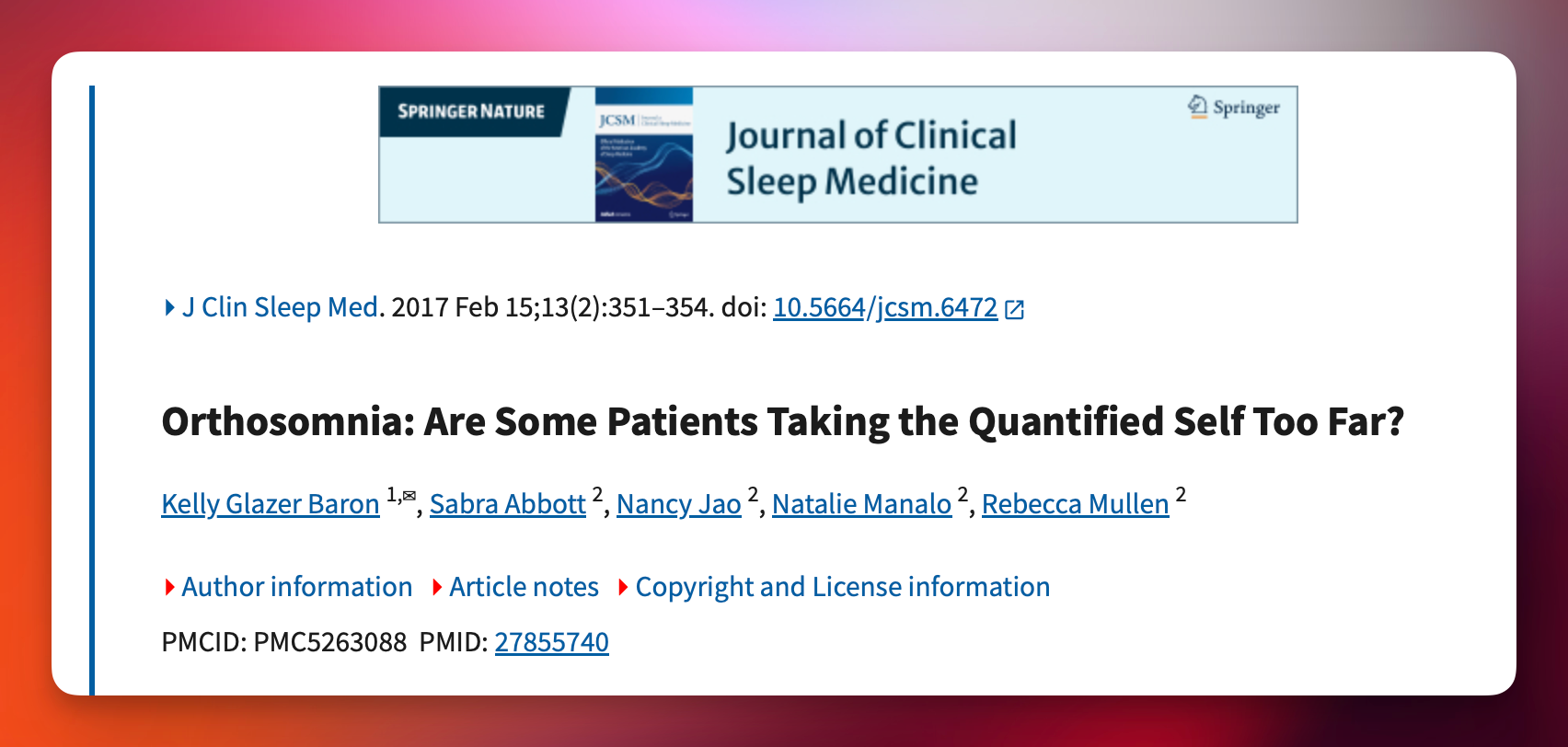
Orthosomnia is therefore an unhealthy obsession with "perfect sleep" — and it's typically triggered by data from a sleep tracker, then reinforced by people like Bryan Johnson chasing the world's best sleep score.
I achieved the best recorded sleep score in history.
— Bryan Johnson (@bryan_johnson) August 15, 2024
Eight months of perfect, 100% sleep.
Spent a year learning how to do it.
Here are 10 habits that fixed my terrible sleep... 🧵 https://t.co/AIf6sy7NHY
It's not (yet) an official psychiatric diagnosis. I mean orthosomnia — not being Bryan Johnson. But doctors are reportedly seeing it more frequently in clinics — patients coming in not because they feel bad, but because their device told them they sleep badly. This is essentially the nocebo effect in action:
If you expect a terrible day based on your wearable's score, you'll probably have one.
How to recognise orthosomnia
It's not always easy to spot. But typical signs include:
- You check your score immediately upon waking — before you even notice how you actually feel.
- A low 'deep sleep' number ruins your morning.
- You feel great, but the tracker says otherwise — and you trust the tracker.
- You try to 'optimise' your sleep so aggressively that the effort itself keeps you awake.
That last point is particularly ironic... and self-reinforcing.
📊 What are you actually measuring?
Readiness, Recovery, Sleep — there's no shortage of scores these days. And relying on them can sometimes lead you astray. Here's why.
Raw metrics
These scores are essentially equations built on 'measured' raw metrics. And by 'measured' I mean: estimated, inferred, model-trained, low-resolution, noisy, or subject to interference.
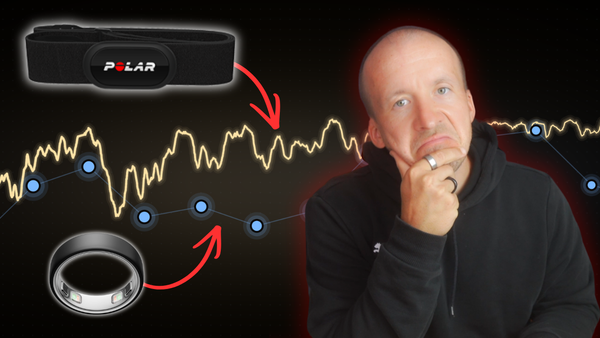
The most fundamental raw metric is ❤️ heart rate. As I covered in the article on Oura Ring accuracy, optical sensors perform well at rest. But how often do they actually sample? (A smart ring, for example, samples less frequently than a chest strap.)
 LORDoftheSMARTRINGS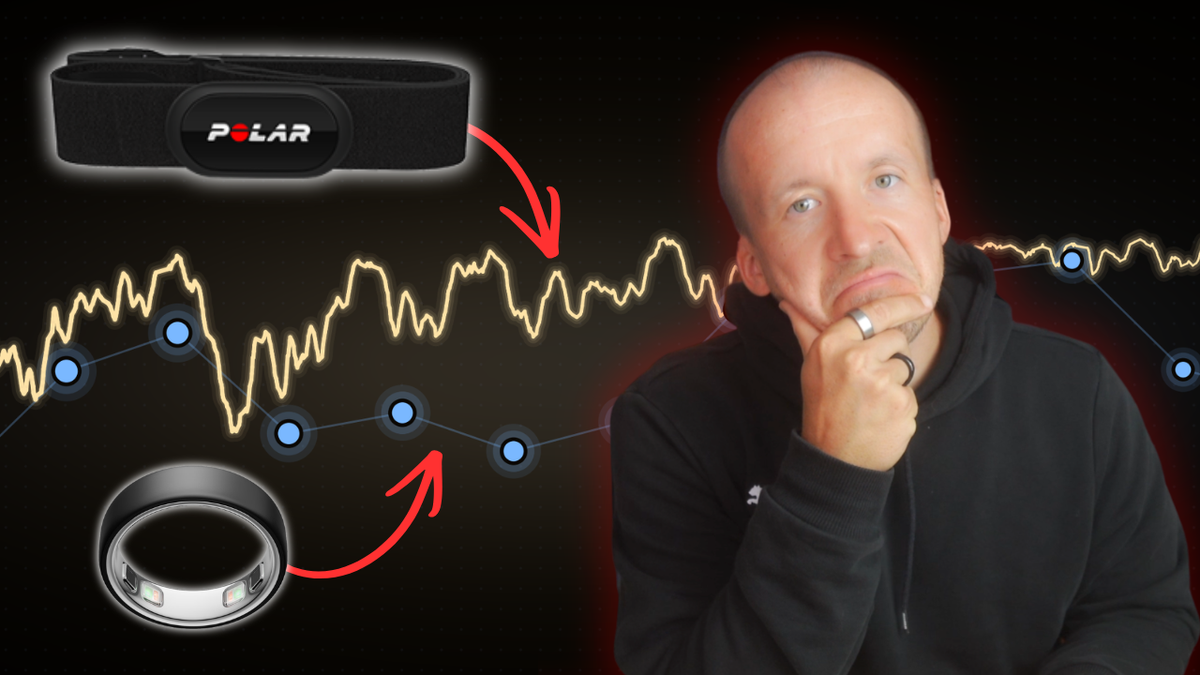
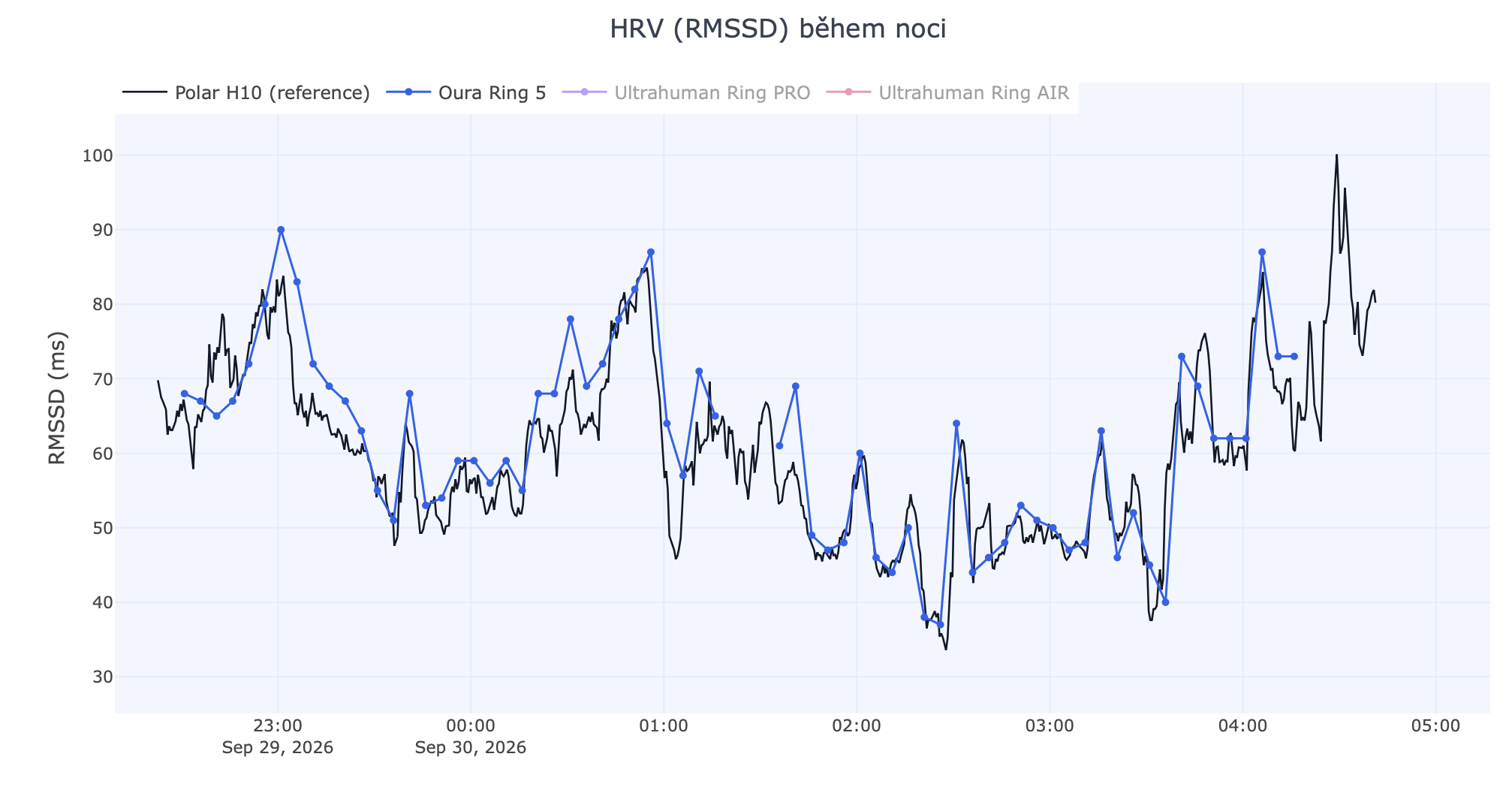
The next key metric is 💓 HRV (Heart Rate Variability). I haven't written a dedicated accuracy piece yet (coming soon 🚧), but the short version: different devices measure HRV very differently. The bottom line: the less accurate the raw data, the less meaningful the composite score.
Data inertia
It's not a universal rule, but scores often don't start fresh each day — yesterday's score can carry weight into today's, with varying degrees of influence depending on the device.

Algorithm drift
Score calculations can change over time due to:
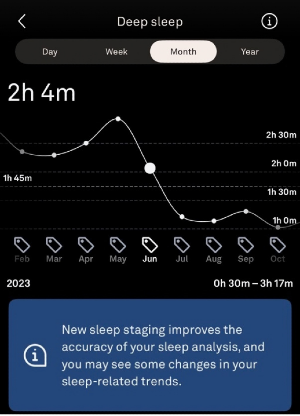
- Manufacturer decisions — if your wearable's maker decides to 'optimise' (read: tweak) the algorithm, your deep sleep could suddenly shrink by an hour overnight.
- New hardware generations, sensors, or firmware — progress is real, but it reshapes the numbers.
- Environmental factors — different conditions in summer vs. winter, a ring that's too tight or too loose, a hand tucked under a warm duvet inflating temperature readings, and so on.
Sleep data
Readiness algorithms rely heavily on sleep scores, which in turn rely on sleep metrics — phase estimation, duration, and more. And sleep, as a biological phenomenon, is notoriously difficult to measure outside a clinical lab.
 LORDoftheSMARTRINGS
Sometimes you genuinely don't know if you're asleep or awake...
Built for the average person
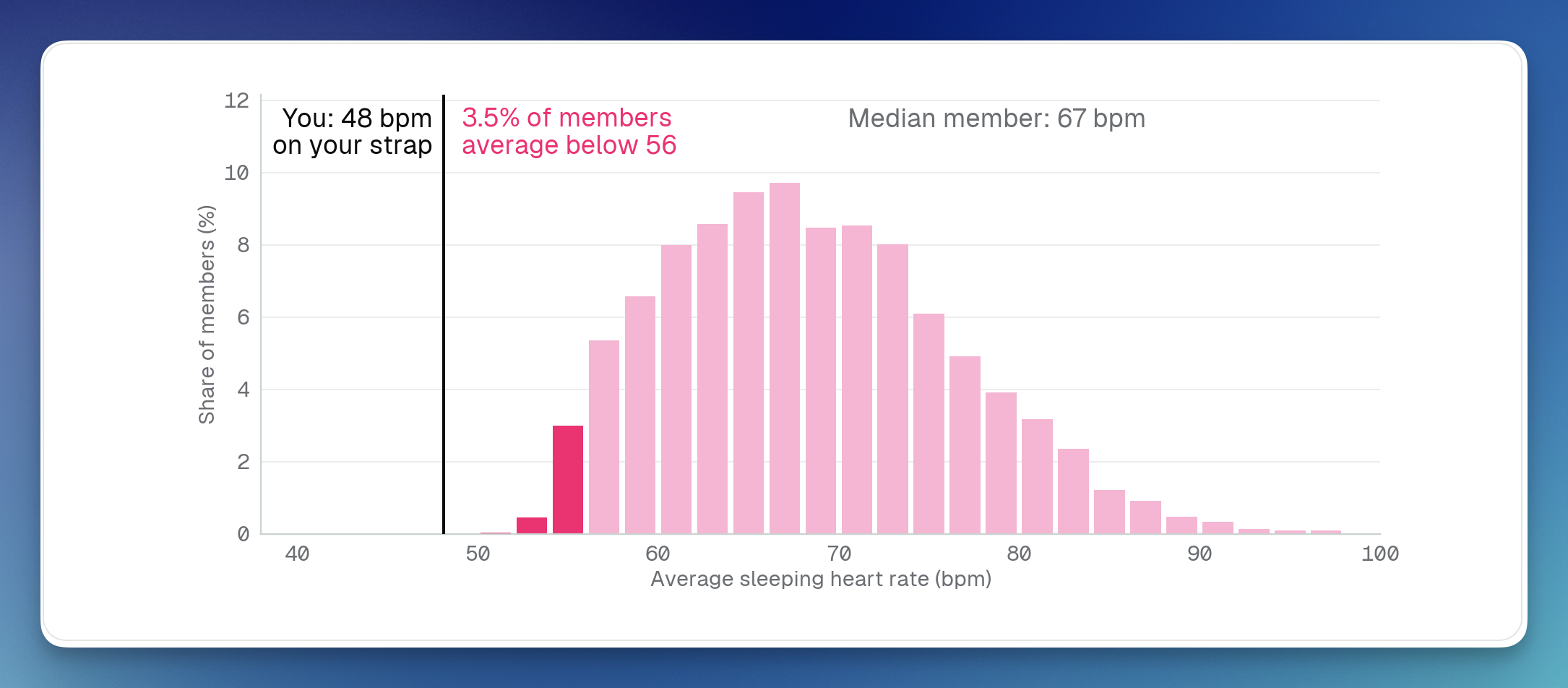
Wearable algorithms are generally optimised for the general population. Think about sleep latency — the time it takes to fall asleep. Your device assumes you're lying still (no arm movement), then estimates sleep onset from a drop in heart rate. But by how many percent? Someone with a naturally high resting HR will have a very different profile from someone with a low one. Manufacturers aim for the middle — which means anyone outside the average gets a worse reading.
Commercial interests
Manufacturers add new metrics partly because users demand them — and that's not inherently bad. But it's worth noting that as the longevity trend has exploded, wearable makers have leaned heavily into metrics like biological age, VO2 max trends, and pace-of-ageing scores. It's worth knowing what you're actually looking at.
 LORDoftheSMARTRINGS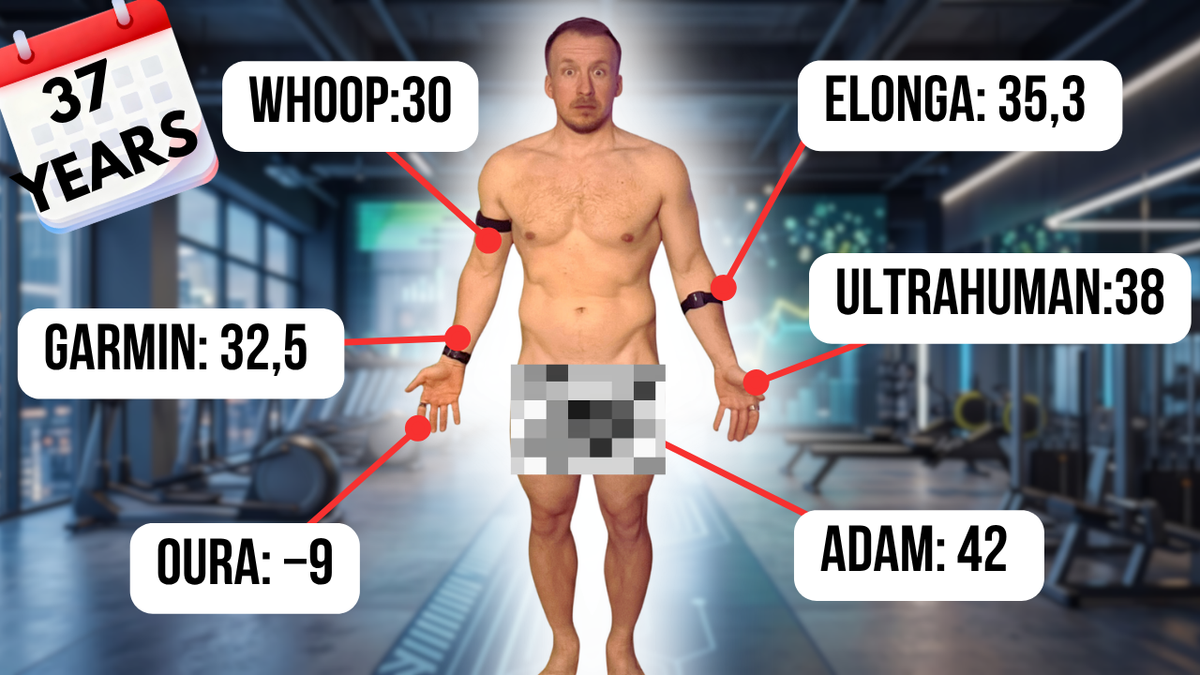
And don't overlook gamification. Keeping you in the app has real business value — and the score system is very good at doing exactly that.
🧌 What I actually do now
I stopped checking my morning score as the first thing I do after waking up (partly because reaching for your phone the moment you open your eyes is just a bad habit regardless). Instead, I look at the trend — what's happened over the last 7, 14, 30 days. One bad Tuesday tells me nothing. But if my HRV has been declining for three weeks straight, that's a signal worth acting on.
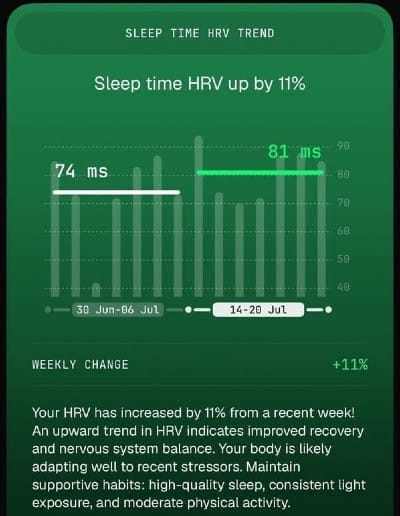
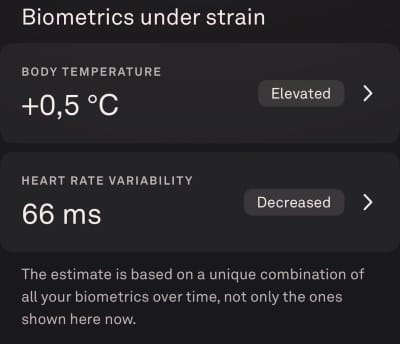
On a daily basis, I focus on the raw metrics: resting heart rate overnight, the shape of the HR curve, temperature, respiratory rate. A sustained rise in any of these is a useful early warning — a single morning outlier is noise.
On the other hand, when I wake up drenched in sweat, I do look for clues. Temperature is one — smart rings measure it very reliably. I also check alerts and health radars. But I cross-reference with how I actually feel.
The exception
The one score I do glance at daily is the output from the Elonga app. But even then, I'm looser about it than I used to be — if I want to train and I feel good, I train. Elonga rarely tells me I'm in the red when I feel fine. And that's the point: it earns my trust by being right more often than wrong.
 LORDoftheSMARTRINGS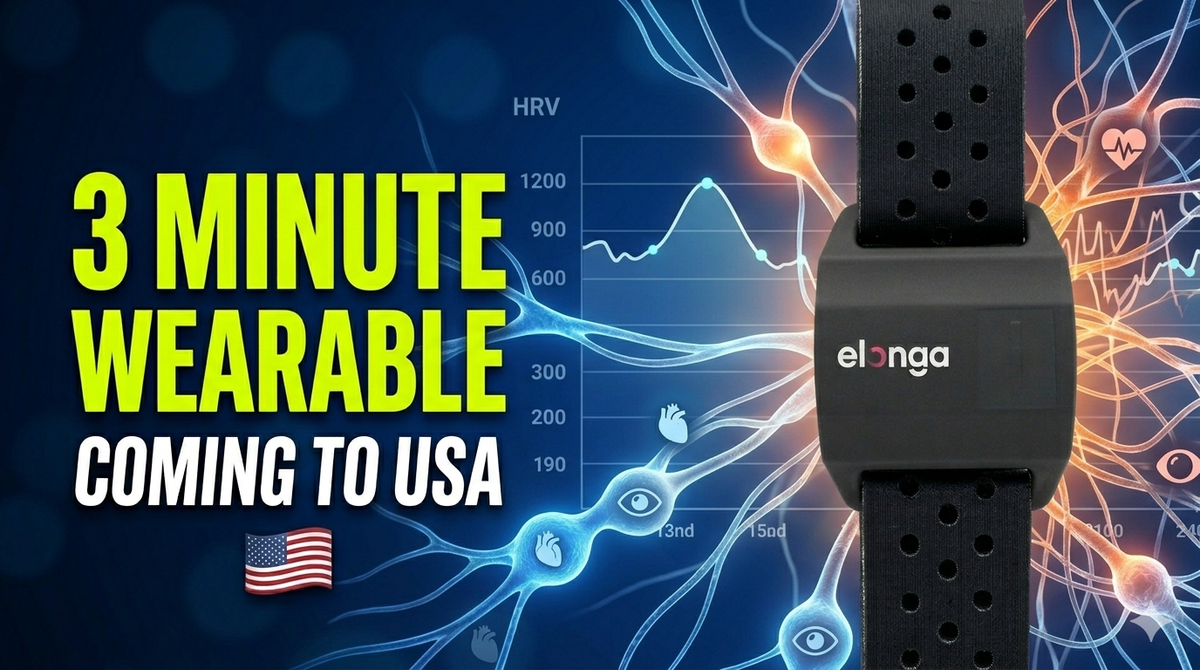
💬 In closing
Smart rings, bands, and watches are still relatively new. The fact that a small device can grade your sleep is fascinating — but it's not the final word on the quality of your day or your training. I take it with a grain of salt, and I try to cross-reference with how I actually feel.
Orthosomnia is real. Research backs it up, the NSF officially flagged it as a risk in 2026, and awareness around it is growing. Eric Topol puts it well in his book Super Agers (paraphrased):
The problem is that the algorithms behind sleep scores aren't derived from any established standards, and the accuracy of the underlying measurements can't be verified. Paradoxically, using these devices can actually induce or worsen anxiety.
Here's a challenge: for one week, don't open the app first thing in the morning. Watch the trend, not today's number. And if you feel good — trust yourself. Go and do the work.
On reflection, I think wearables sometimes give us a convenient excuse to do nothing... Arnold Schwarzenegger tracked nothing, and still trained four hours a day, six days a week. 💪