💓 Elonga Review: 2+ Years with the Wearable That Only Asks for 3 Minutes of Your Morning
No GPS. No screen. No steps tracking. No notifications. And still — after two years of testing every smart ring and screenless band I can get my hands on — it's one of the most interesting wearable I've come across. Let me explain.

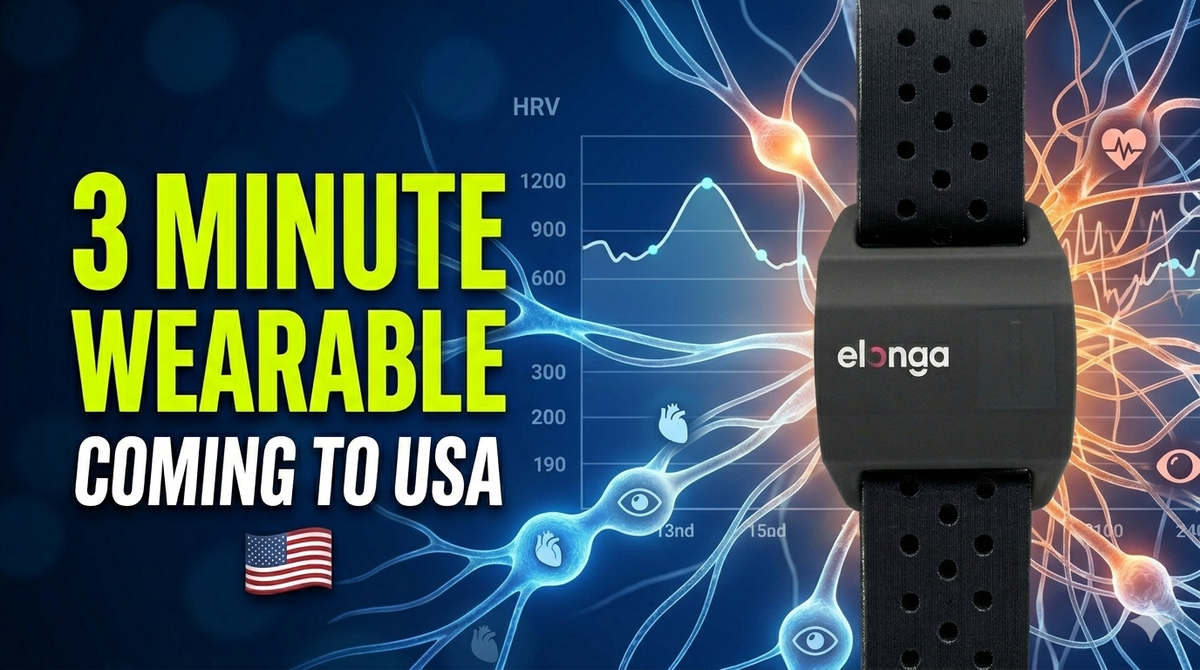
I cover smart rings - that is my thing. I love that they serve as discreet trackers for your health, sleep, and training. It’s for that same reason I’ve deliberately expanded into screenless bands and straps: wearables that monitor your vitals without turning your wrist into a constant notification machine.
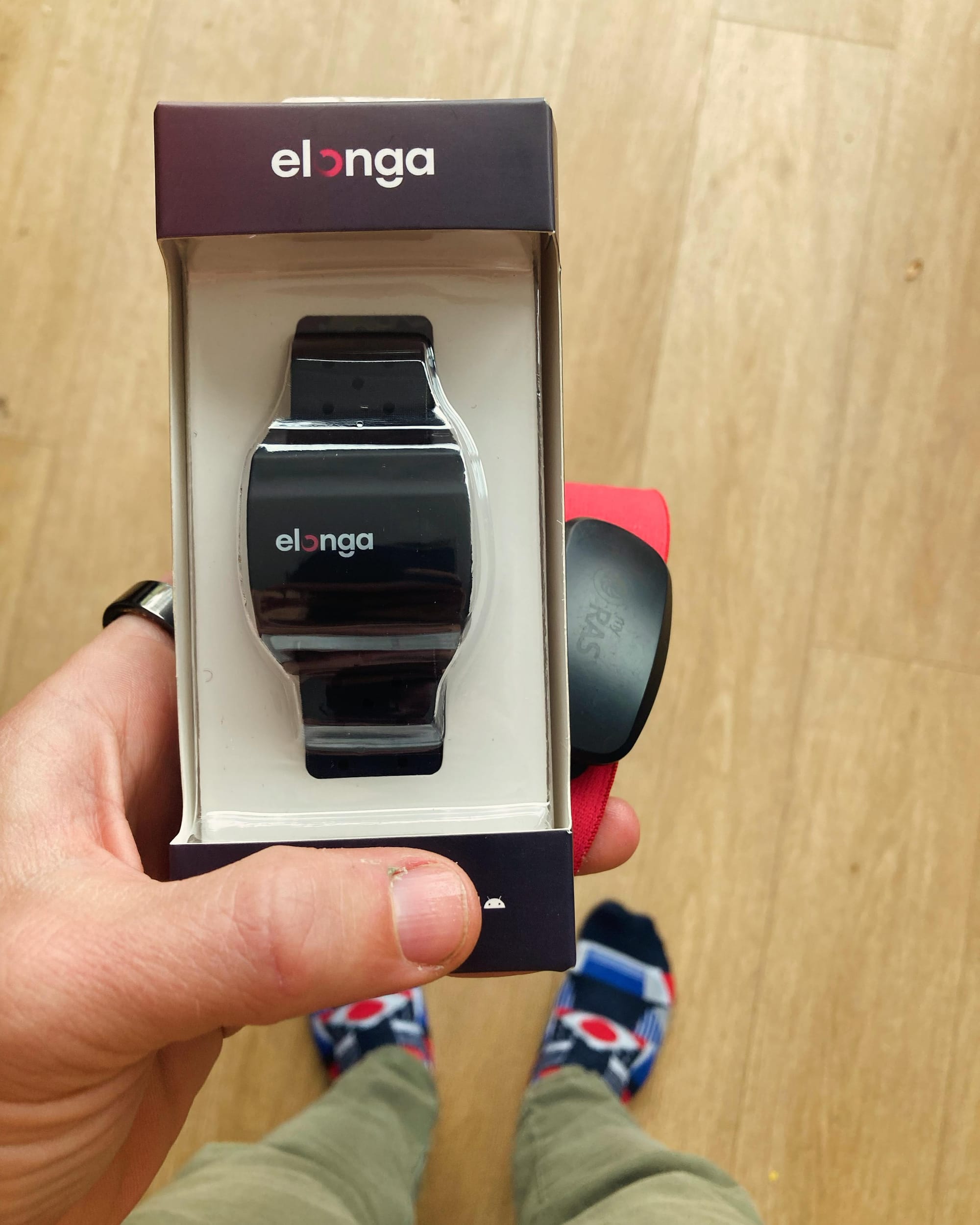
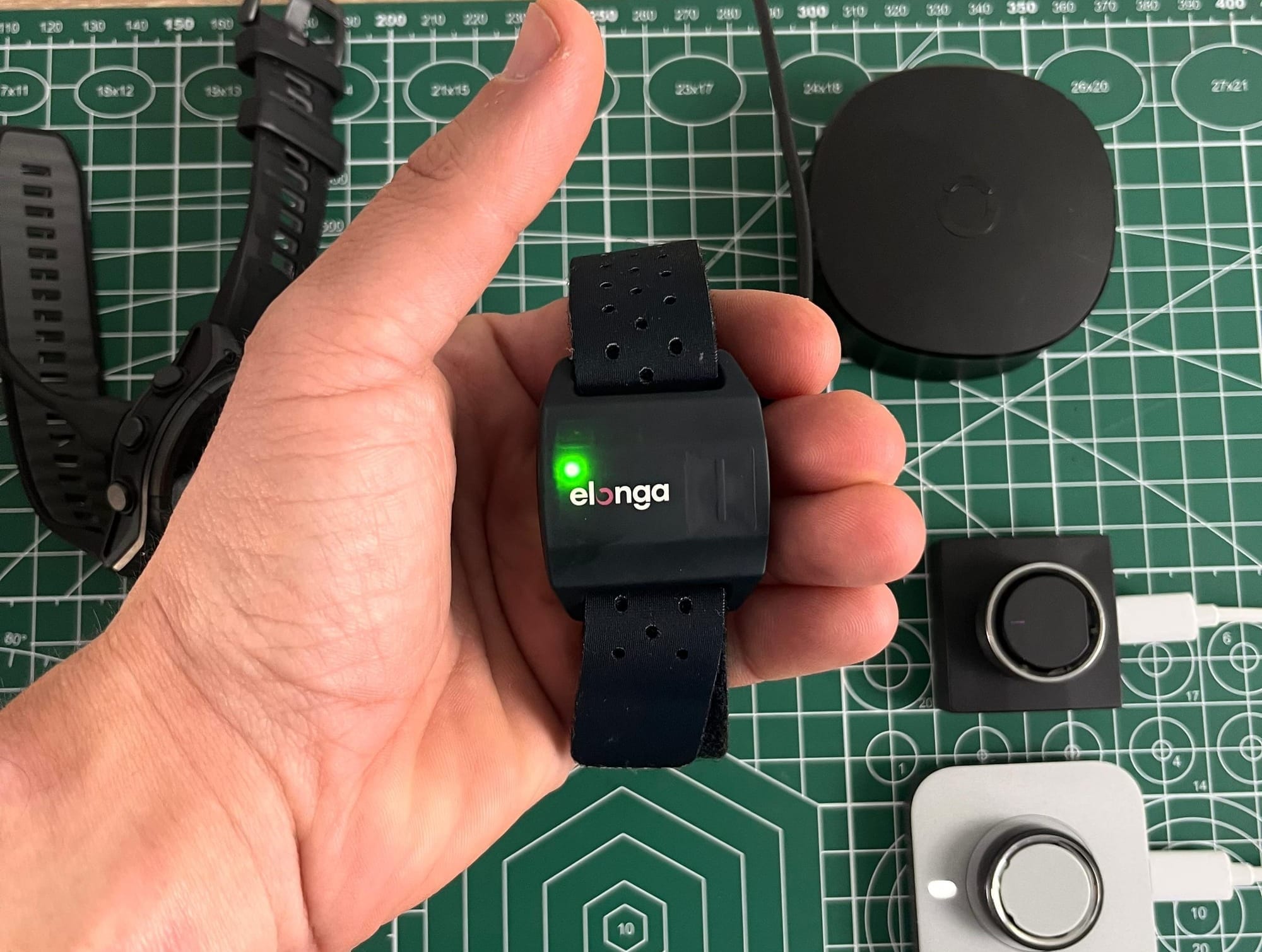
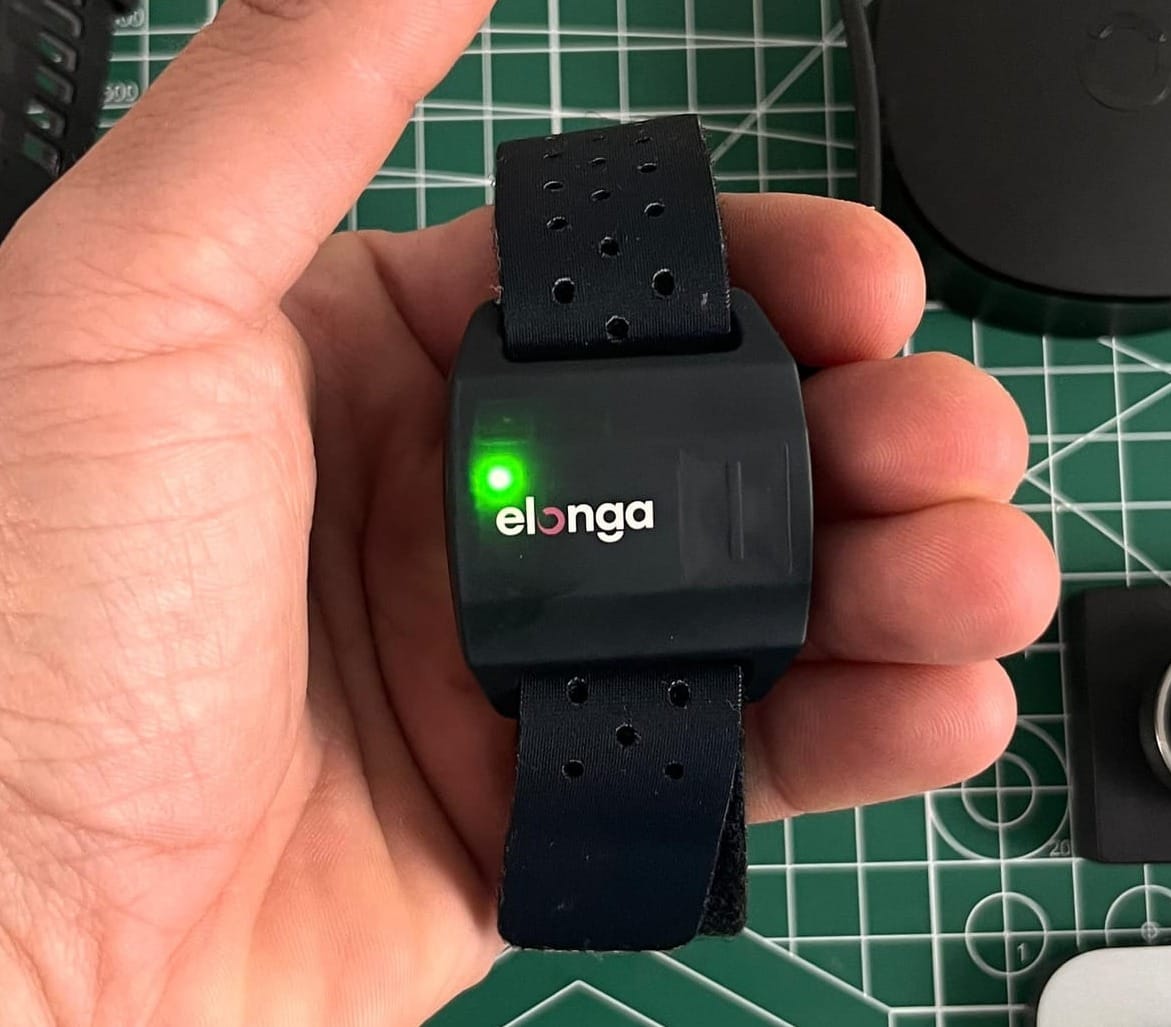
Elonga sensor
Elonga is a European-made product that's now making its move onto the US market. And before you scroll past thinking "great, another HRV tracker nobody asked for" — hear me out. Because Elonga isn't trying to be another Whoop.
- First year of membership: FREE
- Elonga sensor: $99 (reg. $149)
- Extra 10% OFF with code: FITNESATOR10
👉 Get Elonga for $89.10 here
Offer ends April 30.
It creates its own mini-segment and plays by completely different rules. After 2+ years with it strapped to my forearm every morning, I think it finally deserves a proper review.
📦 What Is Elonga, exactly?
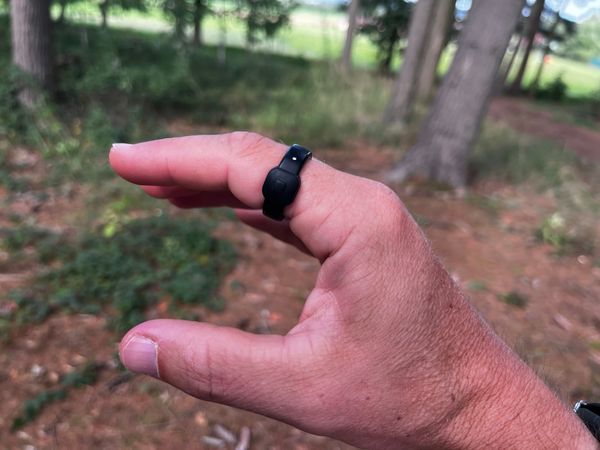
Elonga is a forearm band with an optical sensor, battery and one button (for turning on/off). Elonga is also an app.
You put it on for approximately 3 minutes every morning, right after waking up, start measurement in the app — and then you take it off. That's it. You don't wear it to the gym. You don't sleep with it. You don't track steps. No GPS. No notifications. No screen. How does it sound? Strange? Unique? Weird?
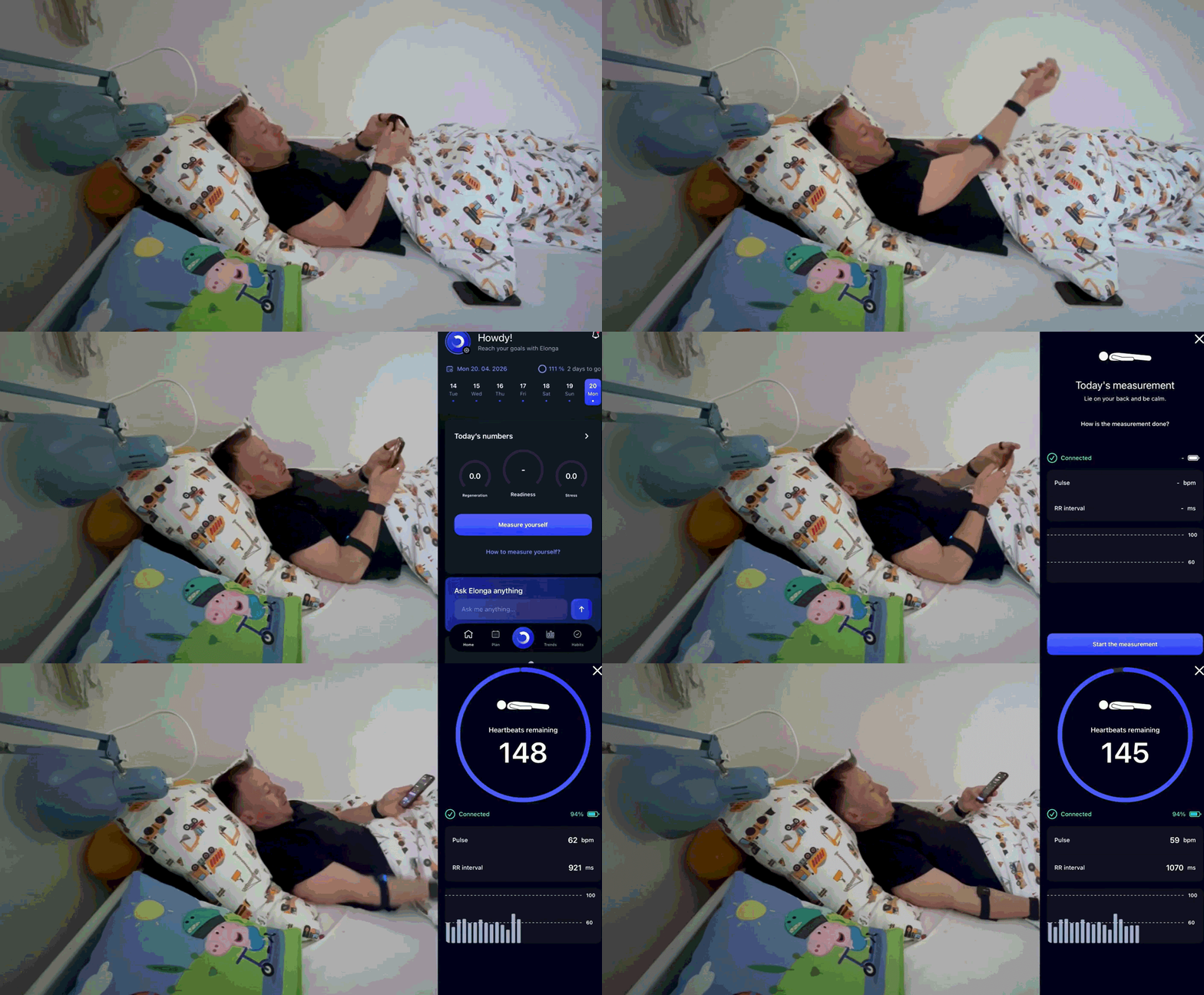
The whole philosophy is built around a single idea: measure your autonomic nervous system (ANS) under standardized conditions — once, in the morning, before anything else can contaminate the data.
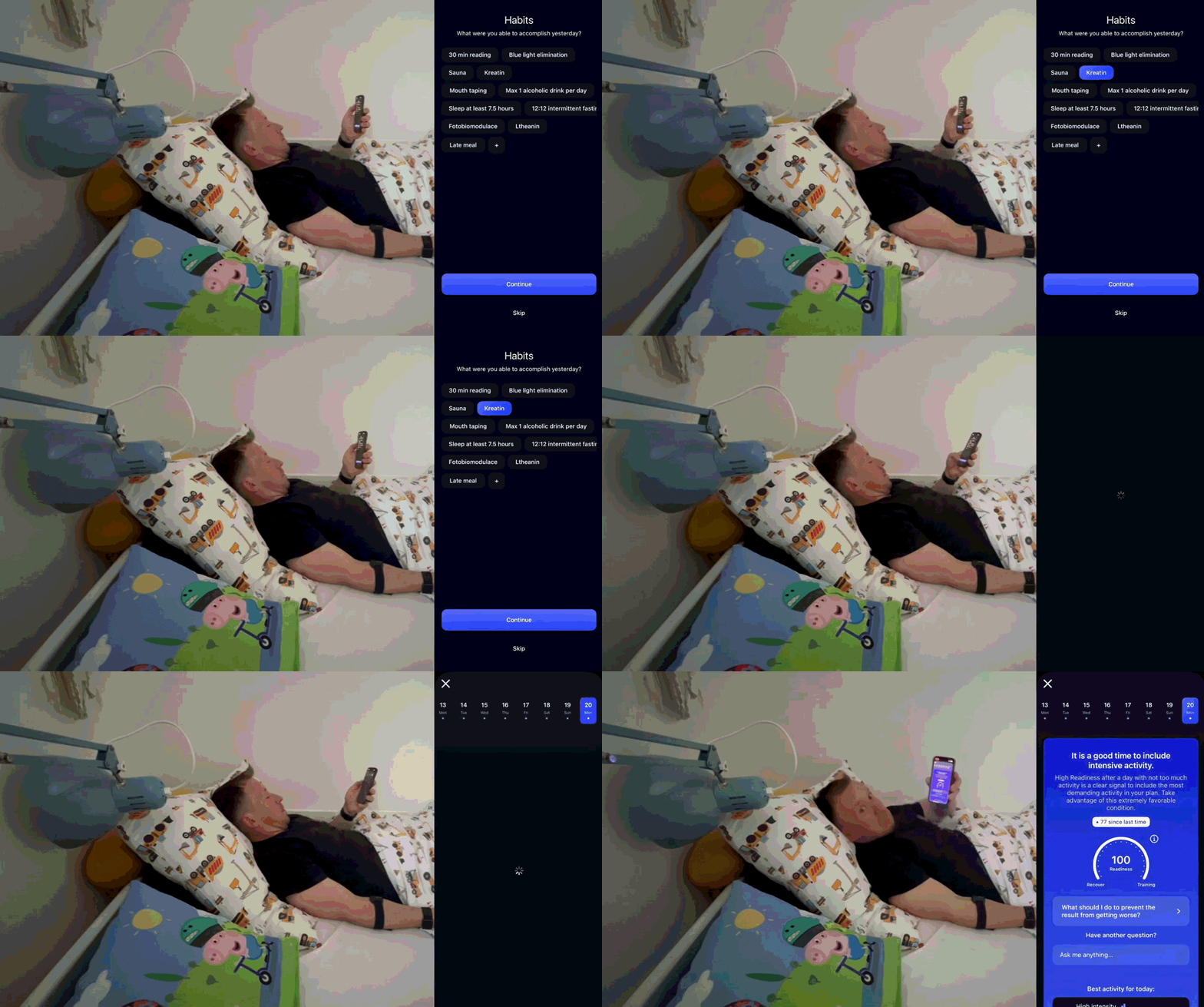
This immediately makes it incomparable to most wearables on the market. It's not competing with your Oura ring or Garmin watch. It's doing something those devices can't do — or more precisely, something they do poorly because of when and how and what they measure.
More on that in a moment. First, let's look at the hardware.
🔧 Hardware
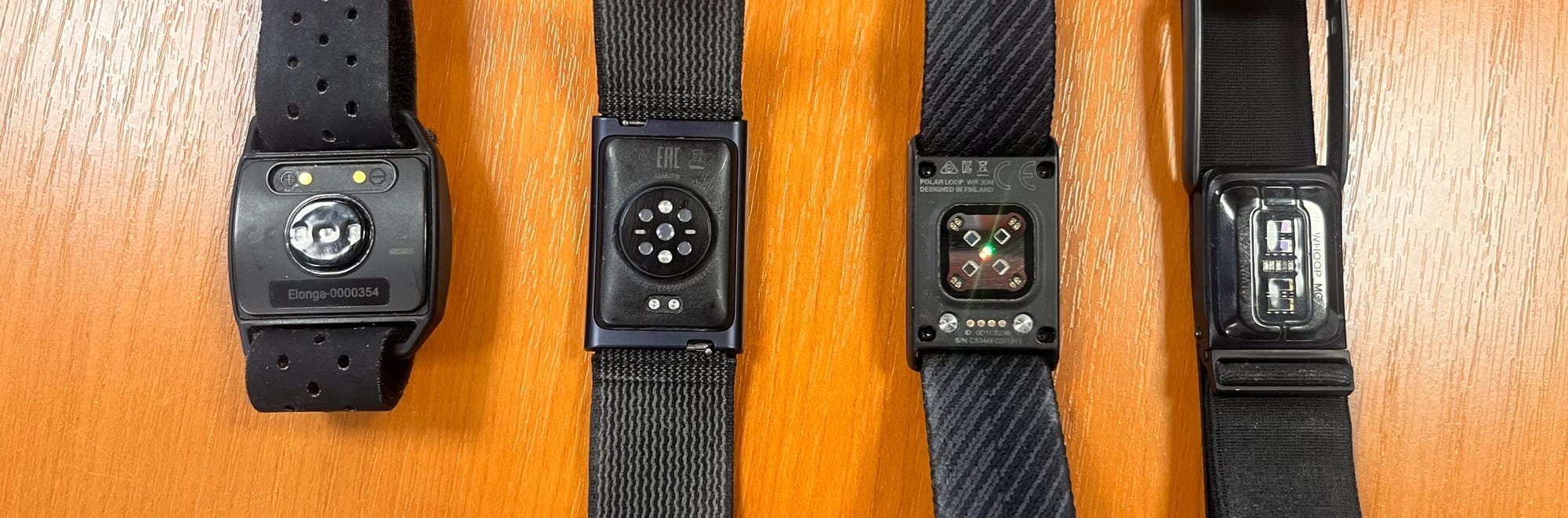
The Elonga sensor is a lightweight plastic band — on the underside sits the optical sensor with two green LEDs 🟢 doing the photoplethysmography work, plus a prominent blue status indicator 🔵 on top. There's a single button, a textile strap with velcro fastener for securing it to your forearm during measurement.
Charging
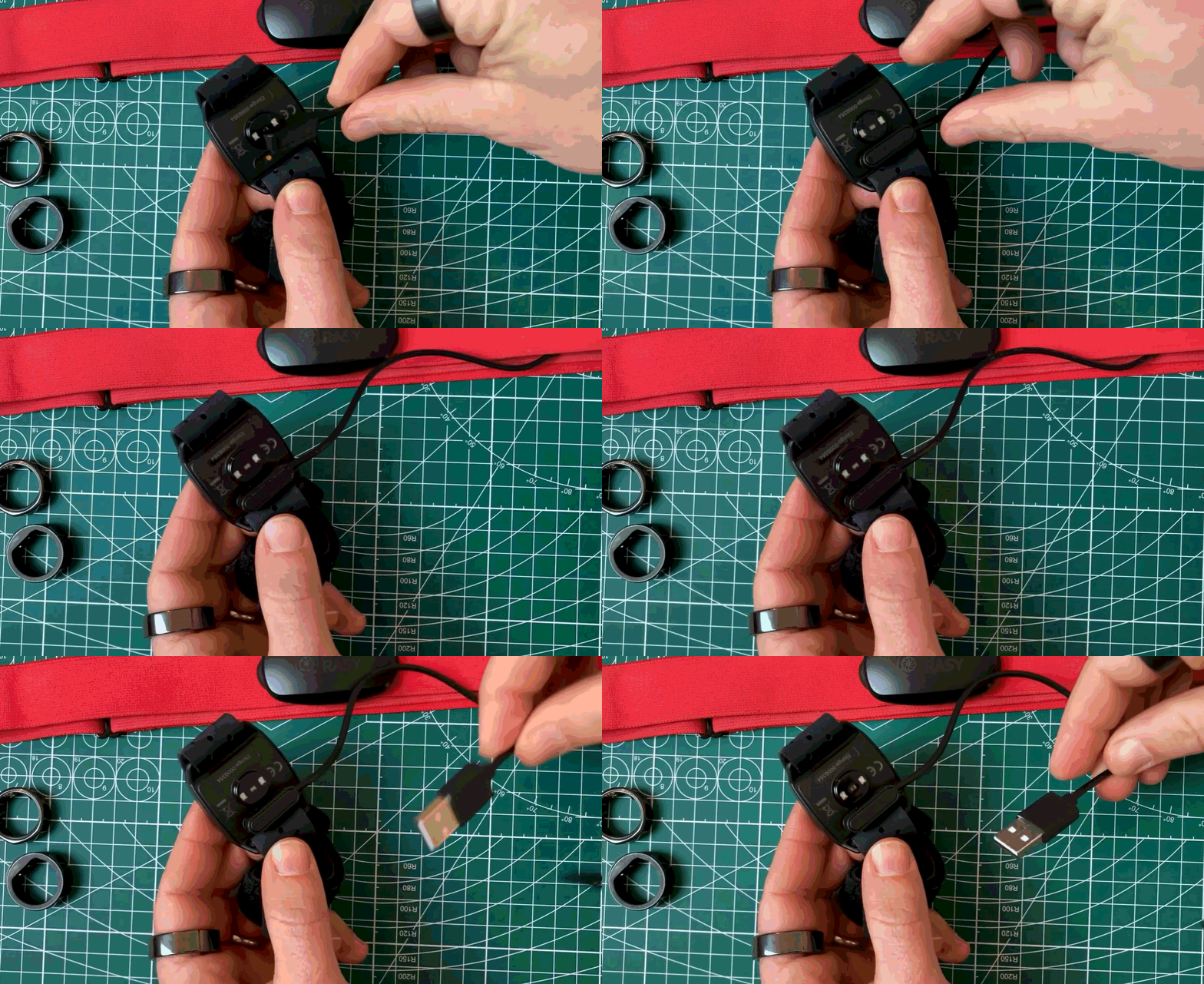
Charging is via a proprietary USB-A cable with two magnetic pins — which, yes, means it'll only charge Elonga and nothing else. The silver lining: battery life is measured in weeks or months rather than days, given you're only running active measurements for a few minutes at a time. I've genuinely lost track of how often I charge it. Not often, I would say just once in 2-3 months.
Accuracy
Wearing location matters more than brand for optical sensors — and Elonga's placement on the forearm is actually a physiologically good choice. There's more soft tissue, less bone interference, and less motion artifact than at the wrist - especially during rest, of course.
Our accuracy test confirmed this: Elonga achieved a correlation of 0.976 against a chest strap reference during rowing — matching Amazfit and beating Whoop MG (0.907) on that metric. See more:
 LORDoftheSMARTRINGS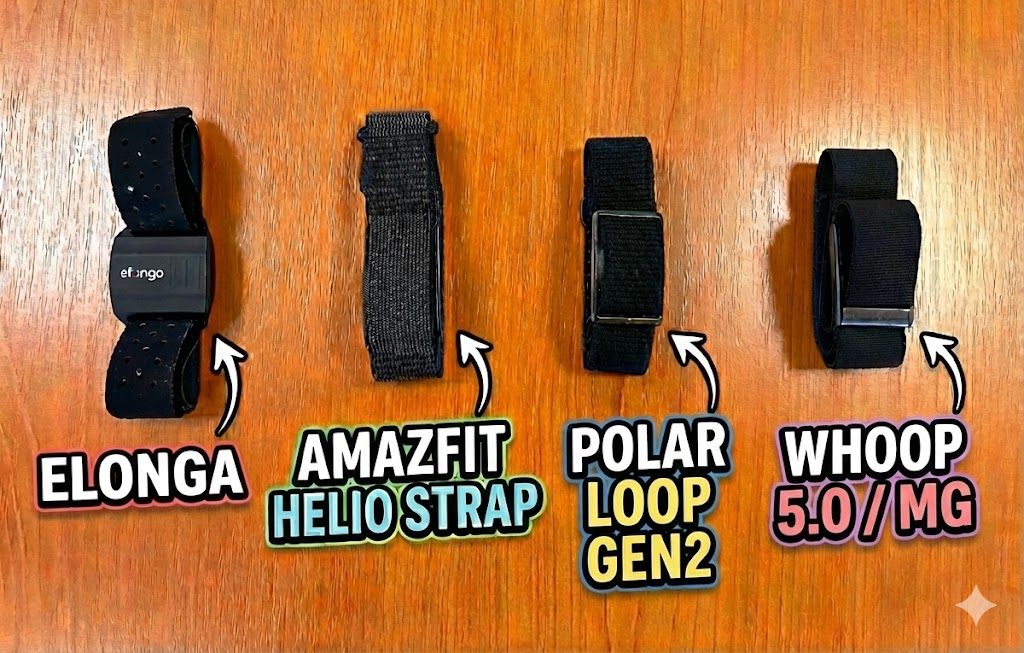
Experience & best practice
One thing I noticed after two years of daily use: I stopped adjusting the velcro entirely. I found my ideal tightness early on, and now I just slip it on and off without touching the fastener at all. It takes about three seconds. If you're the kind of person who optimizes their routines into muscle memory, that's where you end up.
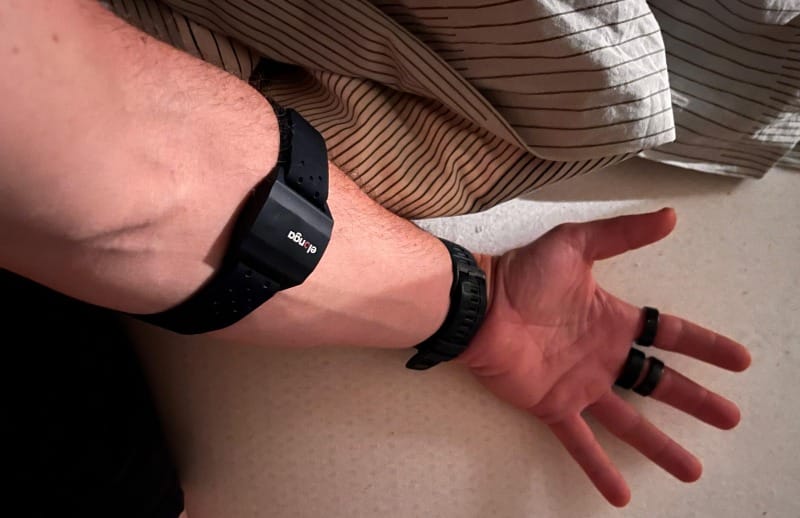
The blue LED is visible in a dark bedroom — a minor but real annoyance if you share your bed with a light sleeper and you wake up (and measure yourself sooner).
OEM clone?
One more thing, and I want to be fully transparent about this: the physical hardware itself is basically an OEM sensor — essentially a rebranded optical forearm band, similar to generic Bluetooth/ANT+ armband HR monitors you can find on Amazon for $20–40 (think COOSPO-style forearm trackers).
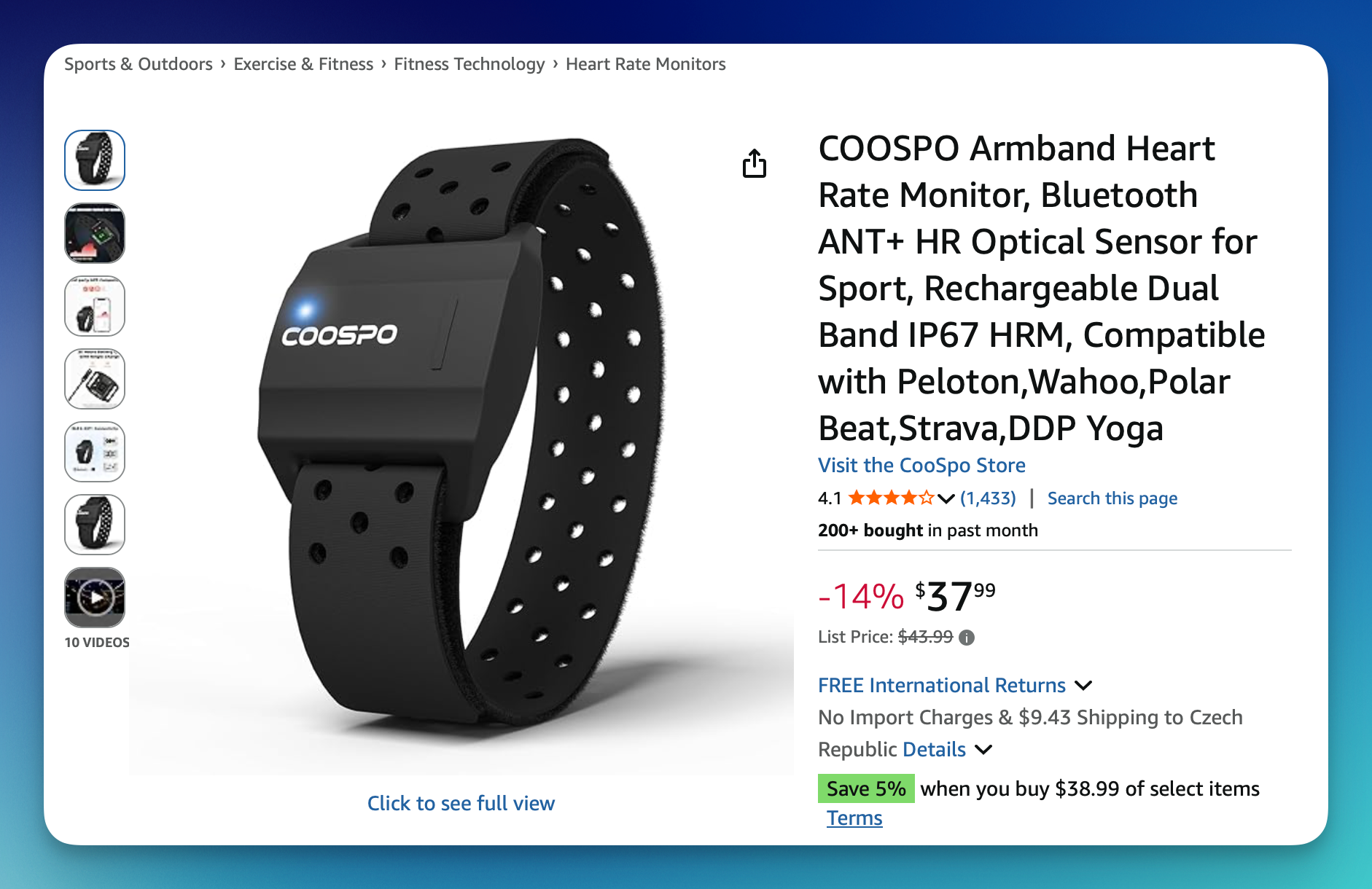
That's not a secret, and it's not necessarily a problem. Plenty of great products are built on commodity hardware. What you're paying for with Elonga is not a proprietary sensor — it's the algorithm, the spectral analysis methodology, 30 years of research, and the app that makes sense of the data...
📱 App & The Science Behind It
Before getting into what Elonga measures, it's worth understanding where it comes from — because that context changes how you evaluate the product entirely.
The mySASY Story
Elonga is basically consumer branch of mySASY - a Czech sports diagnostics company founded by physiologist Radim Šlachta, Ph.D., who has spent 30 years researching HRV and spectral analysis.
MySasy (HW - chest strap and SW - mySasy app) is the lab-grade tool for pro athletes and coaches.


So Šlachta and his team — using a dataset of over 300,000 laboratory measurements and subsequently 1,000,000+ real-world measurements from 60,000+ users — built a machine learning algorithm that compresses a full spectral HRV analysis (more on that ⬇️) down to 3 minutes without loss of quality. Then they put it in a consumer forearm band and called it Elonga. That is the story.
So it is a different origin story than for example Whoop (built from VC money and marketing), Oura (consumer gadget that added science later), or Garmin (sports watch company that added HRV as a feature). Elonga started in the lab and worked outward. That matters.
Spectral HRV Analysis — What It Actually Means
Most wearables give you an HRV number. One number. Usually RMSSD [ms] calculated sometime during the sleep.
That's fine as a rough proxy (I do like it as a benchmark from Oura, Ultrahuman, RingConn and other), but it's like getting a single blood test result and calling it a full health panel.
Elonga does spectral analysis of HRV — a method that decomposes the heart rate signal into frequency bands, allowing separate evaluation of the sympathetic ("stress") and parasympathetic ("recovery") branches of the ANS.
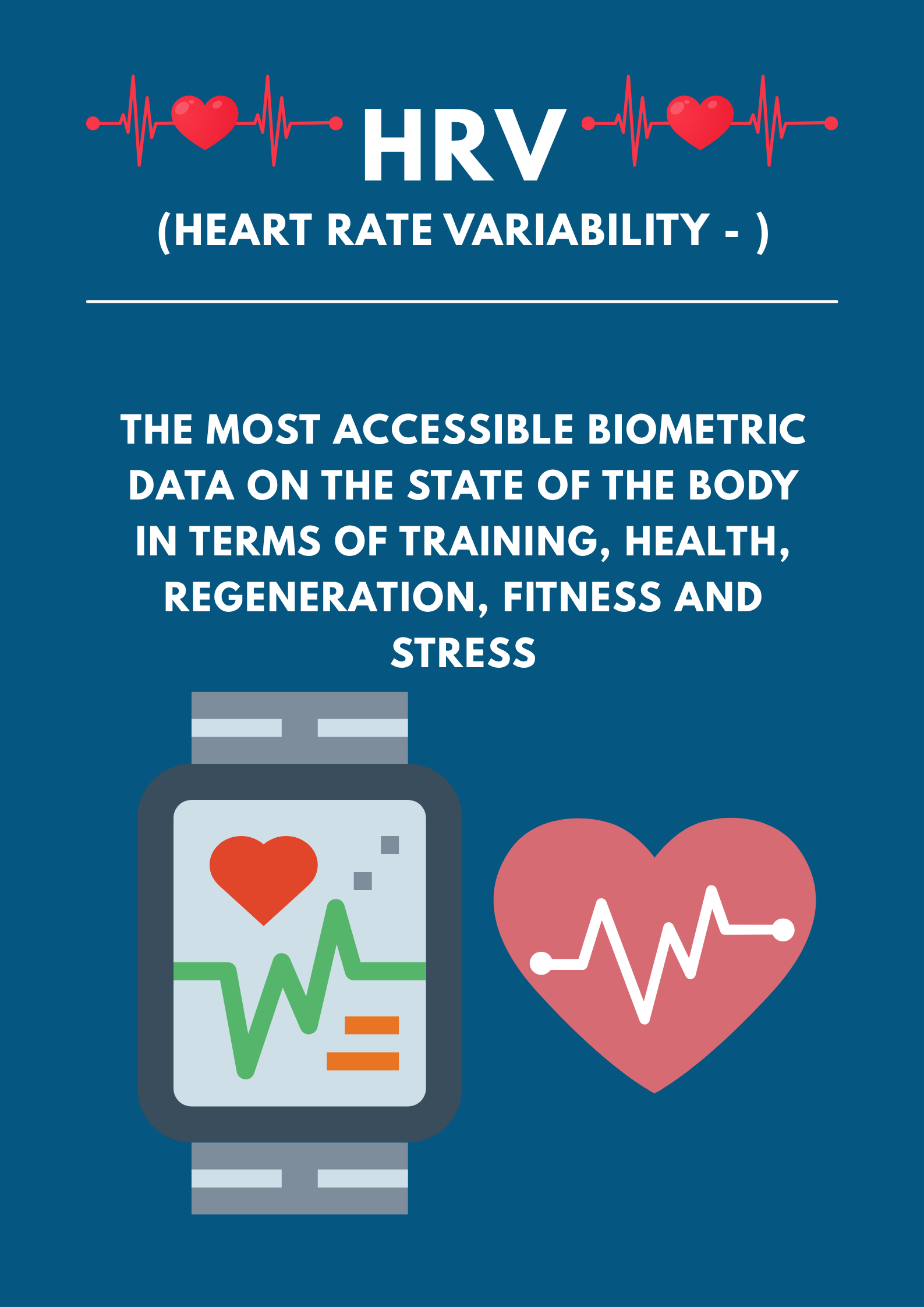
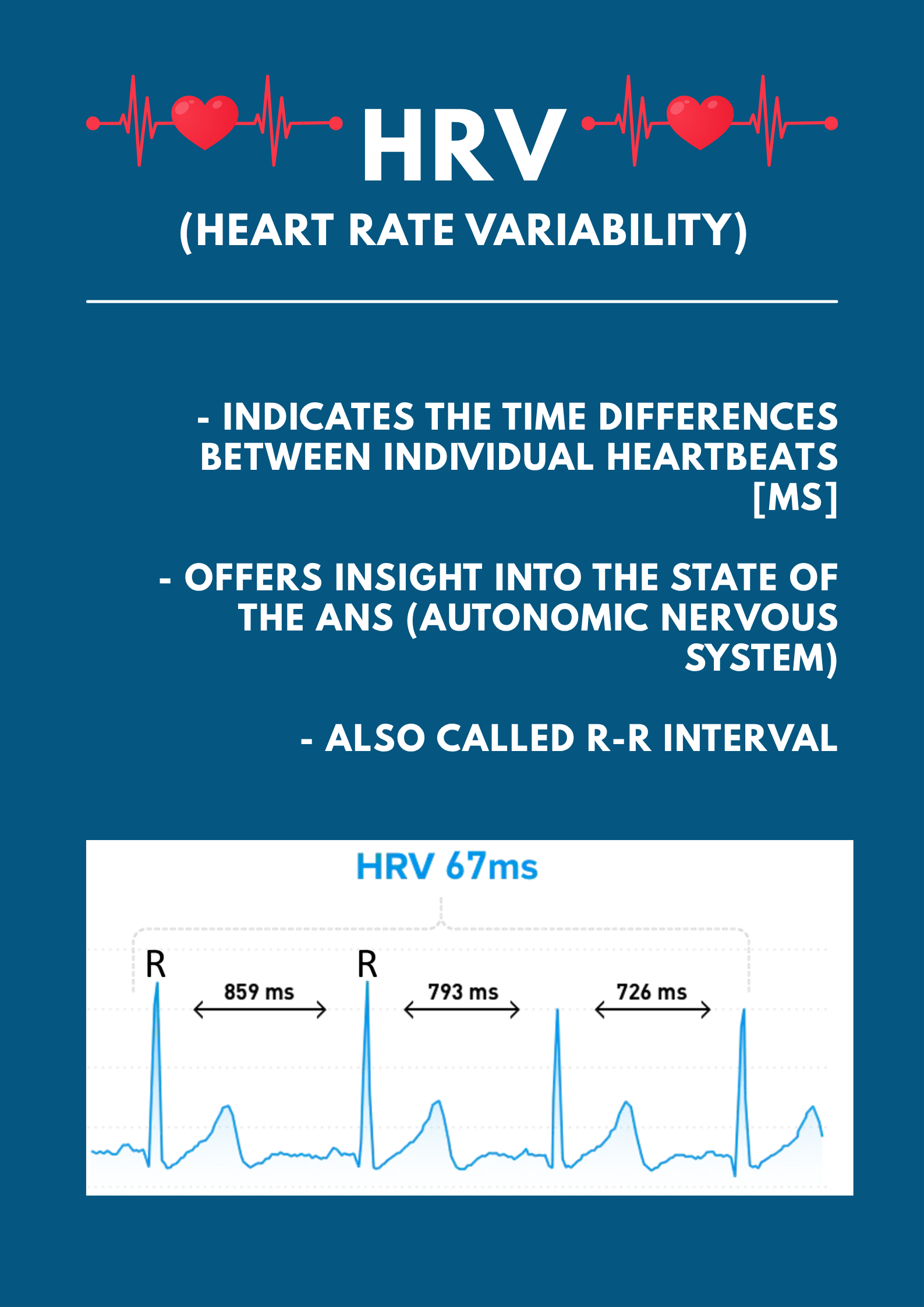
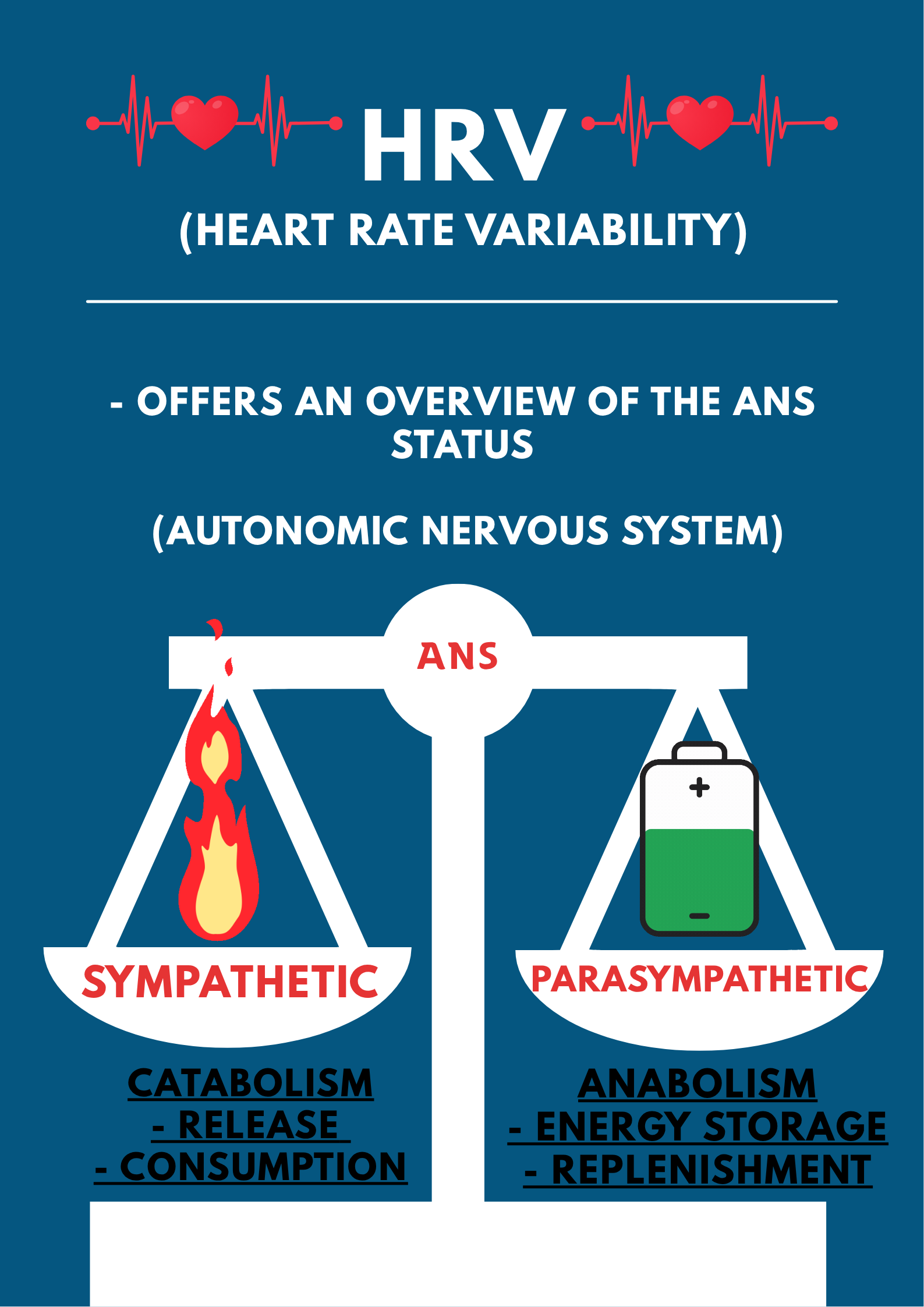
HRV theory
The result: more than 60 HRV parameters from a single morning session. You don't see all 60 (that would be unusable), but they inform the three numbers you actually interact with.
The Three Numbers You Actually See
The app distills all of this into three metrics:
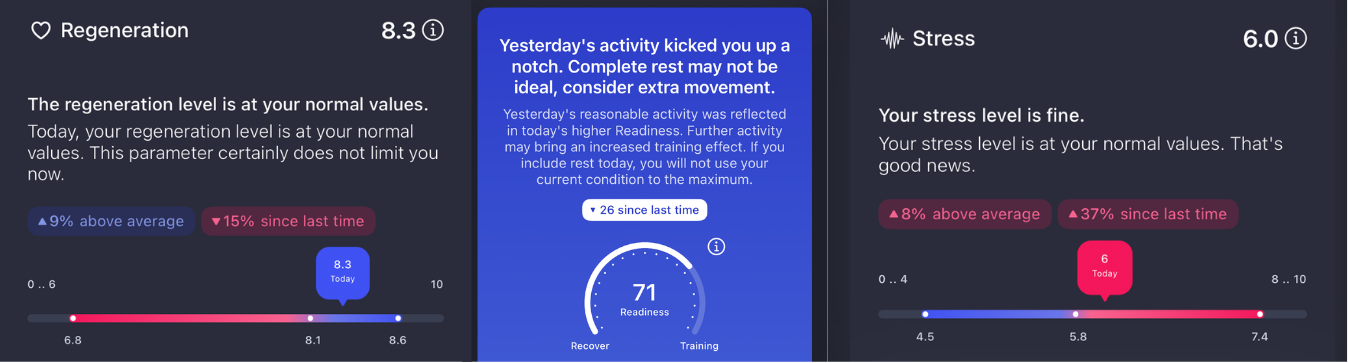
- Regeneration (0–10) — parasympathetic branch activity. Higher = your body is in recovery mode.
- Stress (0–10) — sympathetic branch activity. Higher = your system is in mobilization mode. (Note: not automatically bad)
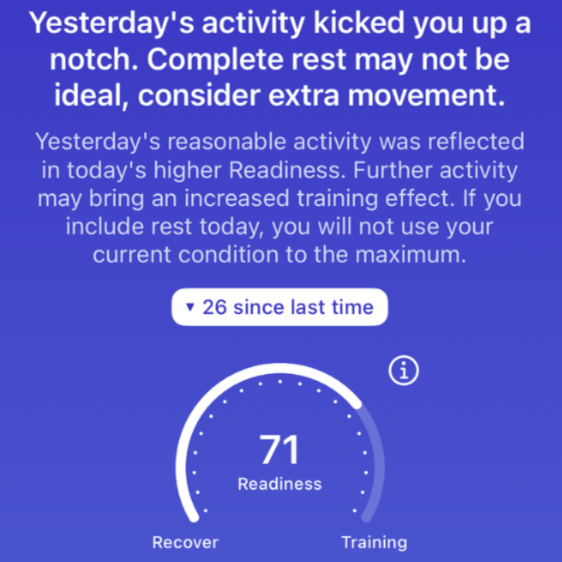
- Readiness (0–100) — the composite score. Your "green light / red light" for the day with explanation / recommendation.
Other Features
I’ve tracked Elonga’s app development for over two years now. While several features are currently in beta, others have been fully functional and reliable for quite some time.
Training Plan
Elonga can generate a personalized plan—a curated list of activities and intensities tailored to your specific measurements and favorite workouts, whether that’s walking, cycling, hiking, swimming, or more.
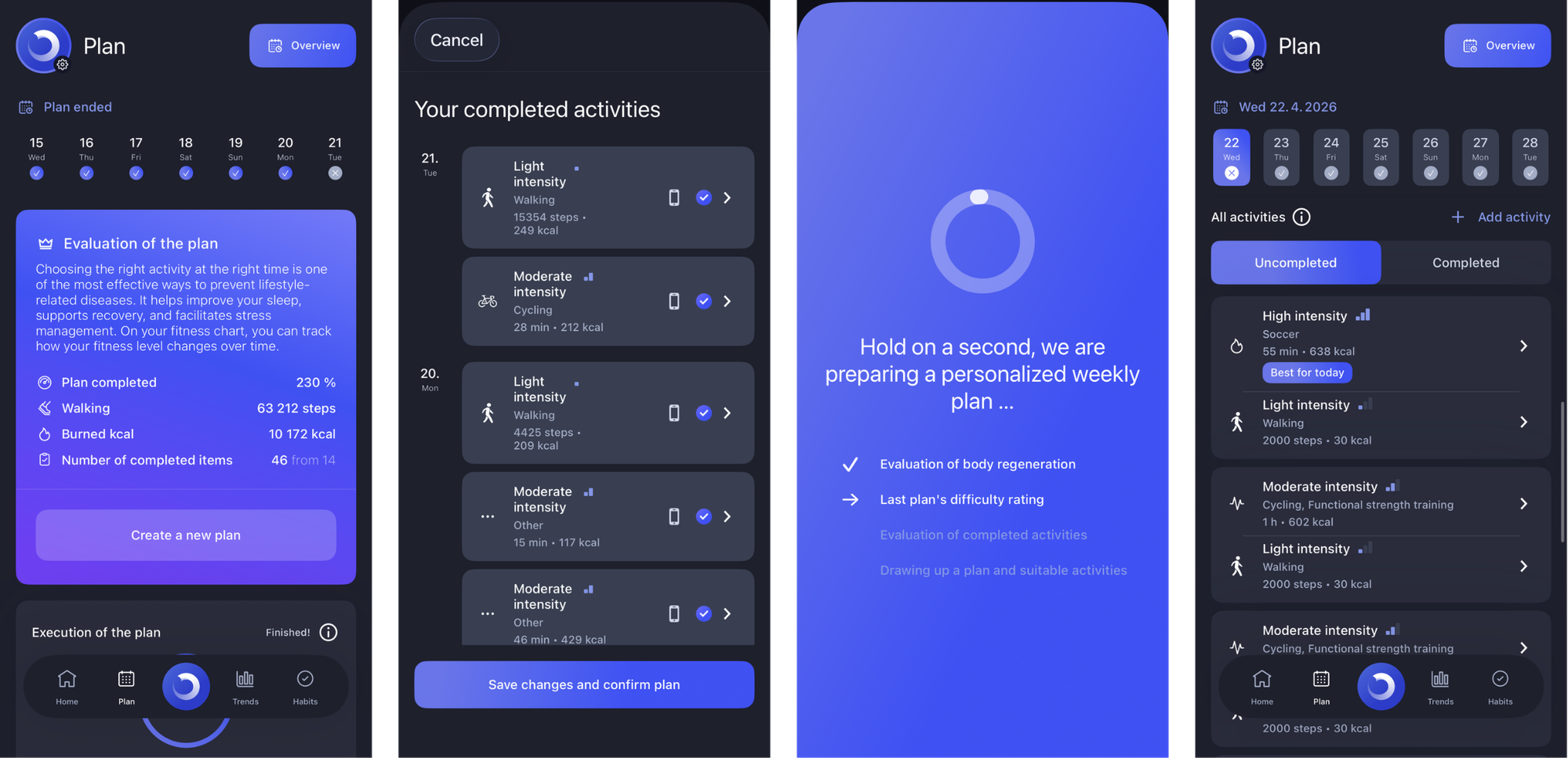
Personally, I don’t follow the plan strictly; my work and family commitments don't leave me with enough flexibility to stick to a rigid schedule. However, I still view it as an excellent "manual" or roadmap. Plus, since the app pulls data directly from Apple Health, you can easily track your progress and see how well you're executing the plan.
Functional Age metric
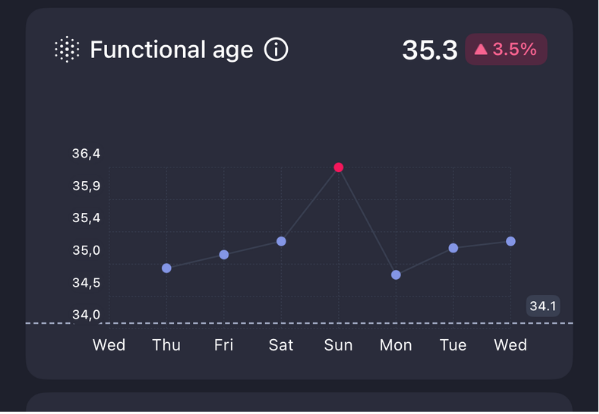
"Biological" age estimate derived from your HRV data, benchmarked against the 20,000-user database. Getting a lower number than your calendar age is the goal.
Trends & data
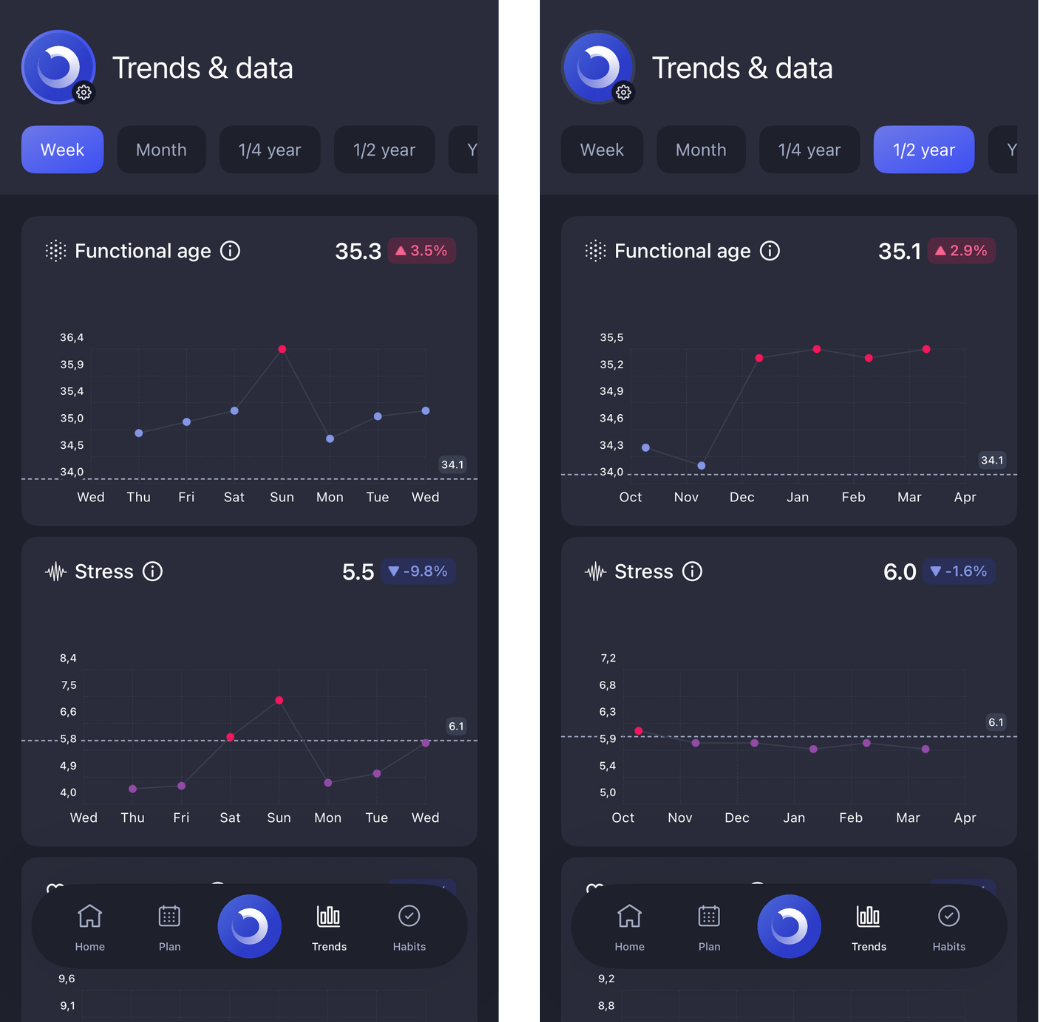
One thing I often find lacking in other wearable platforms is a high-level data overview. That’s not the case with Elonga. You can track your core metrics—Readiness, Stress, Recovery, and Functional Age—across weekly, monthly, and yearly views, giving you a clear long-term perspective on your health.
Habit Tracking
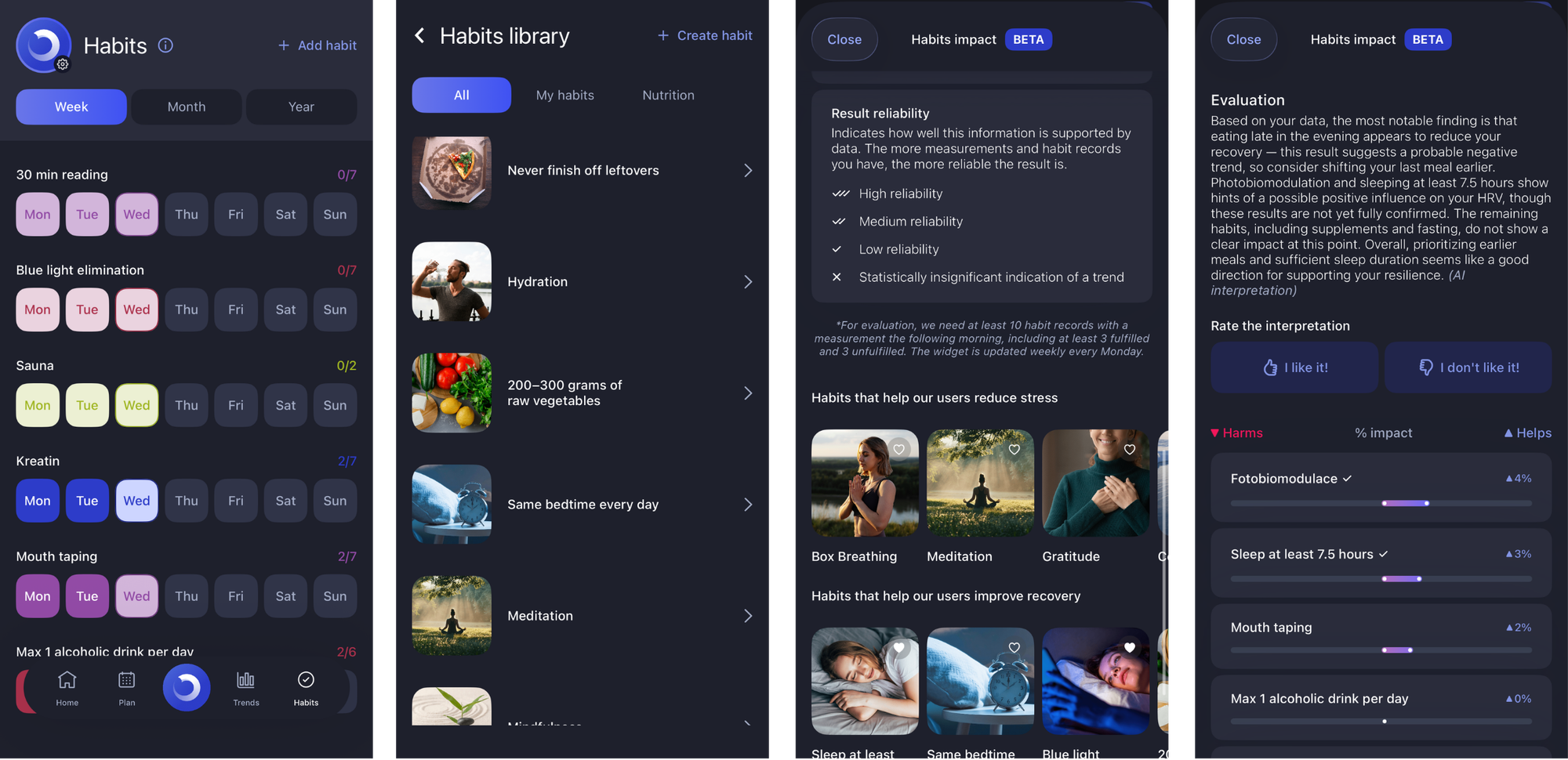
Elonga recently introduced a habit and journaling layer, allowing you to log daily activities and see how they correlate with your Readiness scores over time. It’s very similar to the Whoop Journal—a feature I loved and highlighted in my Whoop review. While Elonga’s implementation is fully functional, it lacks a bit of that premium polish (deeper analysis), though the potential is definitely there.
AI chatbot
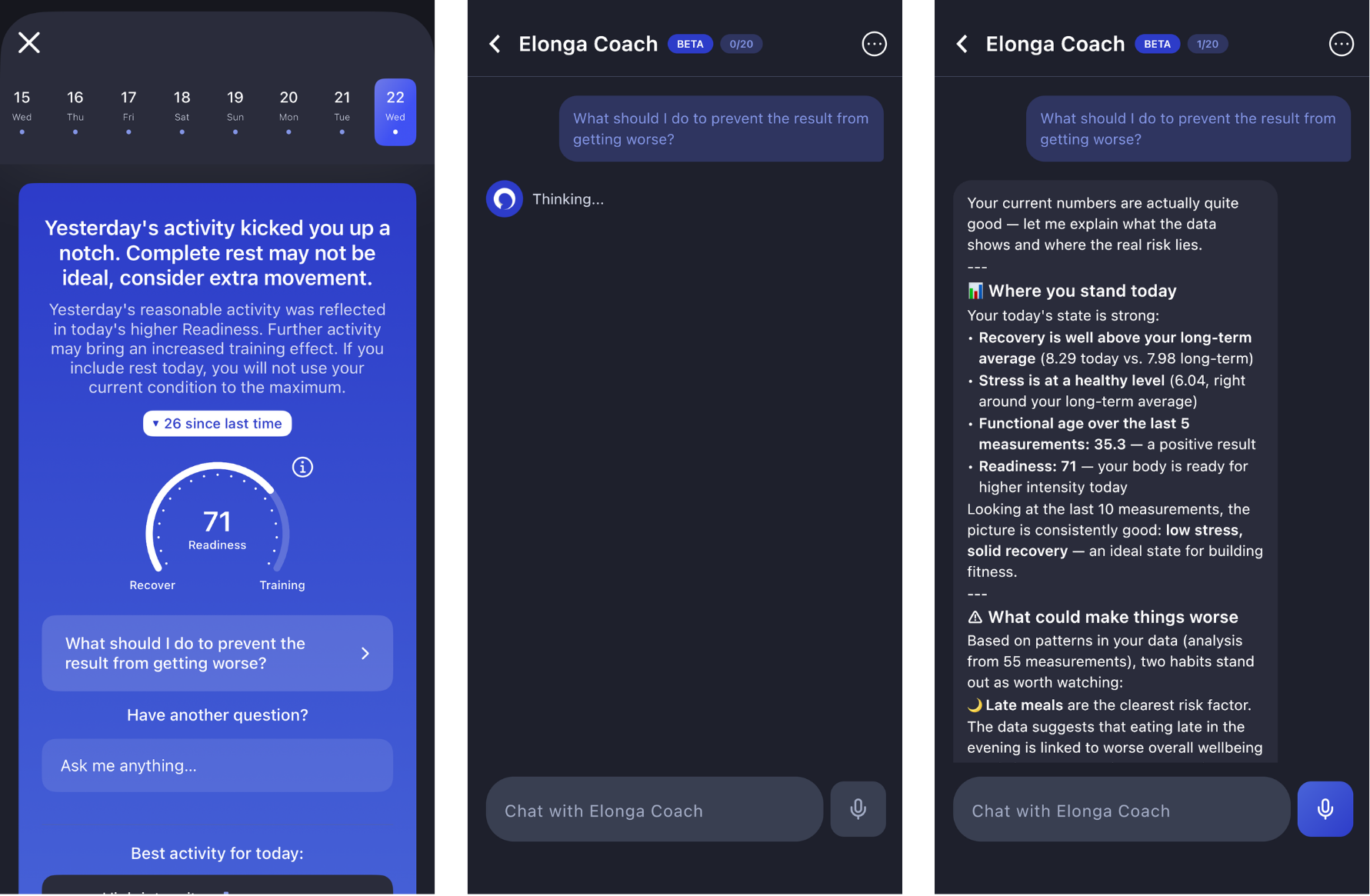
And here we go again—AI, right? In this case, however, I find the AI layer—specifically the chatbot—genuinely convenient. It suggests relevant follow-up questions right after your measurements to help break down the results. Plus, it has access to your Habit Module data, allowing it to provide much more contextual insights.
🫓 The Tortilla Effect: why morning measurement?
This concept is crucial from my perspective to explain you the core of Elonga vs other (24/7) wearables.
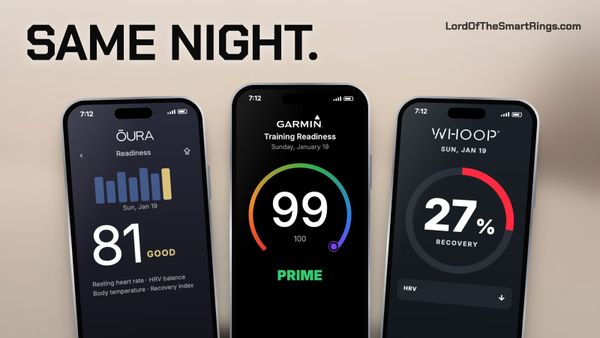
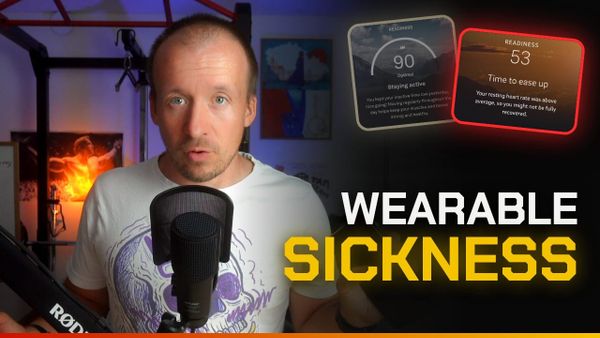
Picture this: you had a late workout, ate dinner at 10pm (let's say a generous burrito), went to bed. You wake up feeling fine. You check your Oura, Garmin, or Whoop — and they're screaming red. "Readiness: Low." "Body Battery: Empty." "Strain was too high."
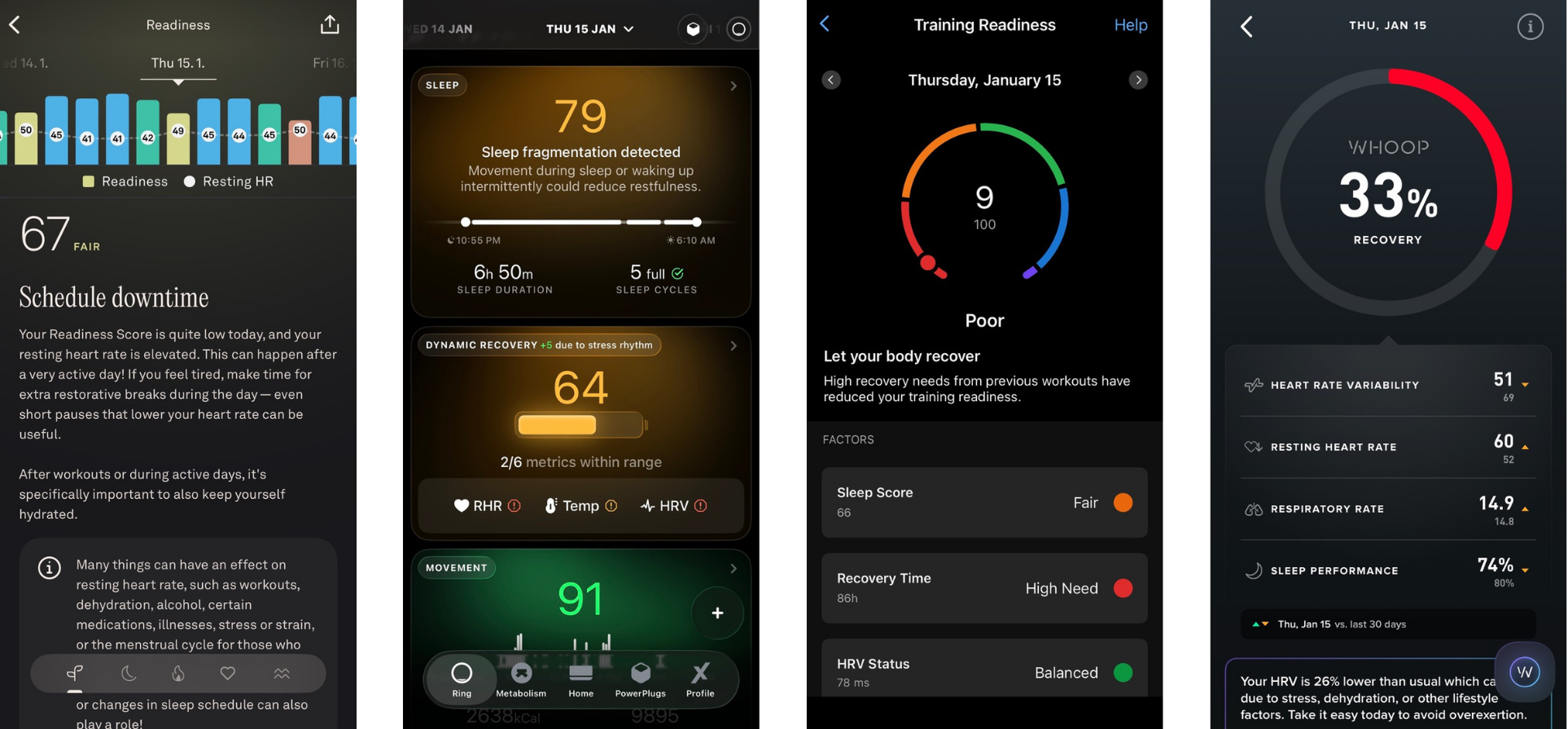
The devices aren't wrong. They just answered the wrong question.
Here's the physiology: when you eat late or train late, your body spends the night doing metabolic work — digesting, processing. Your resting heart rate stays elevated, your HRV is suppressed because the parasympathetic system is temporarily outcompeted by the sympathetic system managing digestion.
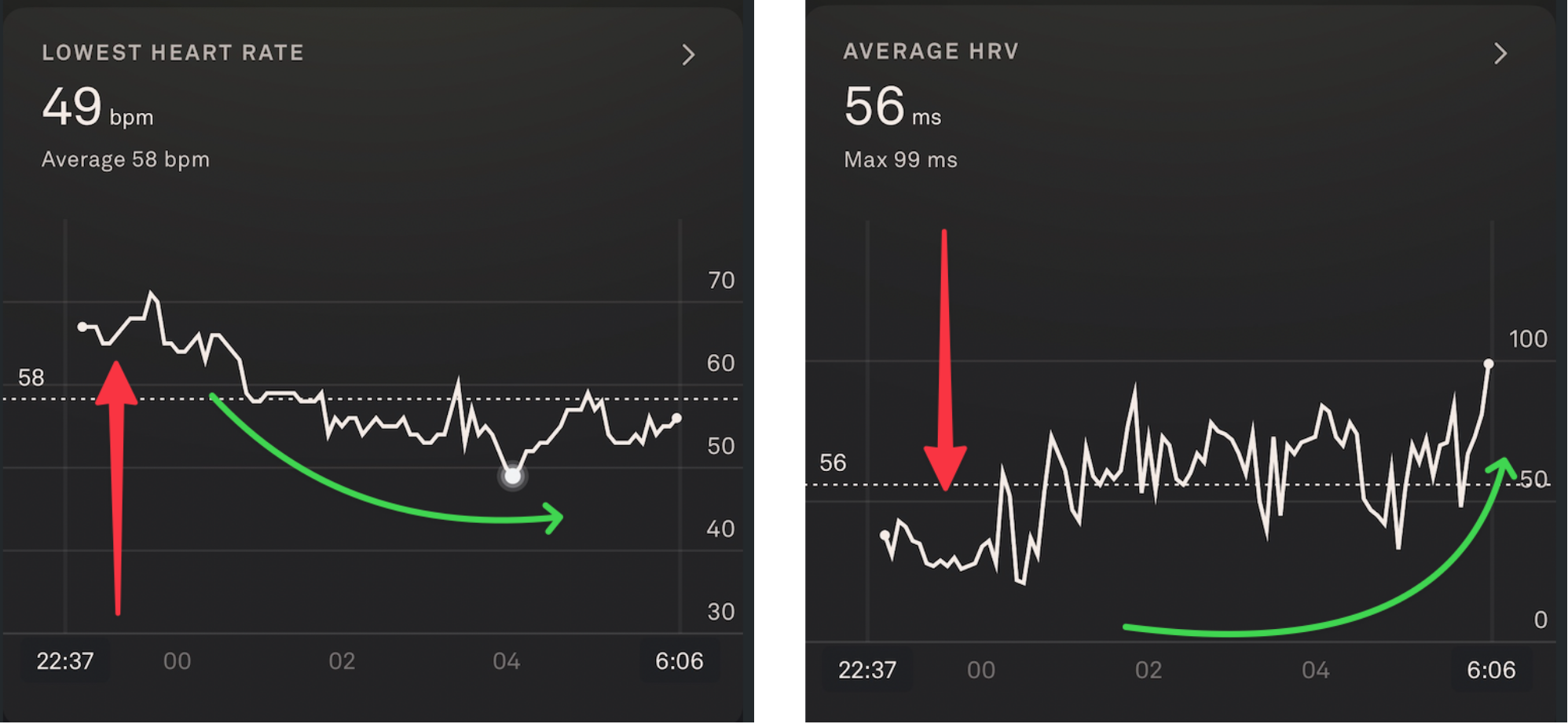
Your 24/7 wearable sees this nighttime data and concludes: bad night = low readiness.
What it can't account for is that by morning — when you're actually deciding whether to train — the metabolic work is done. Homeostasis has been restored. Your ANS may be completely ready.
Elonga measures you after that process has resolved. It's not asking "how was your night?" It's asking "what is your current adaptive capacity, right now, this morning?"

💍 Support the Lord (and his Smart Rings)
This site runs on coffee, curiosity, and the late-night hours of a dad of three. If you’ve found something helpful here, feel free to drop a tip — it helps keep this little kingdom alive.
Every coin is my preciousss 💰
❓ Is Elonga Just a Random Number Generator?
This is the most common criticism in user forums, and it's worth addressing directly.
The argument goes:
"My Readiness was 80 yesterday, I trained hard, slept badly — and today it's 82. That makes no sense. It's random."
But the ANS is sometimes hardly to understand and interpret. I tried to compare the data using other wearables, which is tricky as you probably now understand, but anyway...
I used Garmin's Health Snapshot in the same time as Elonga, so we can use the Garmins's RMSSD - which is metric very close to what interpret Elonga under "Regeneration".
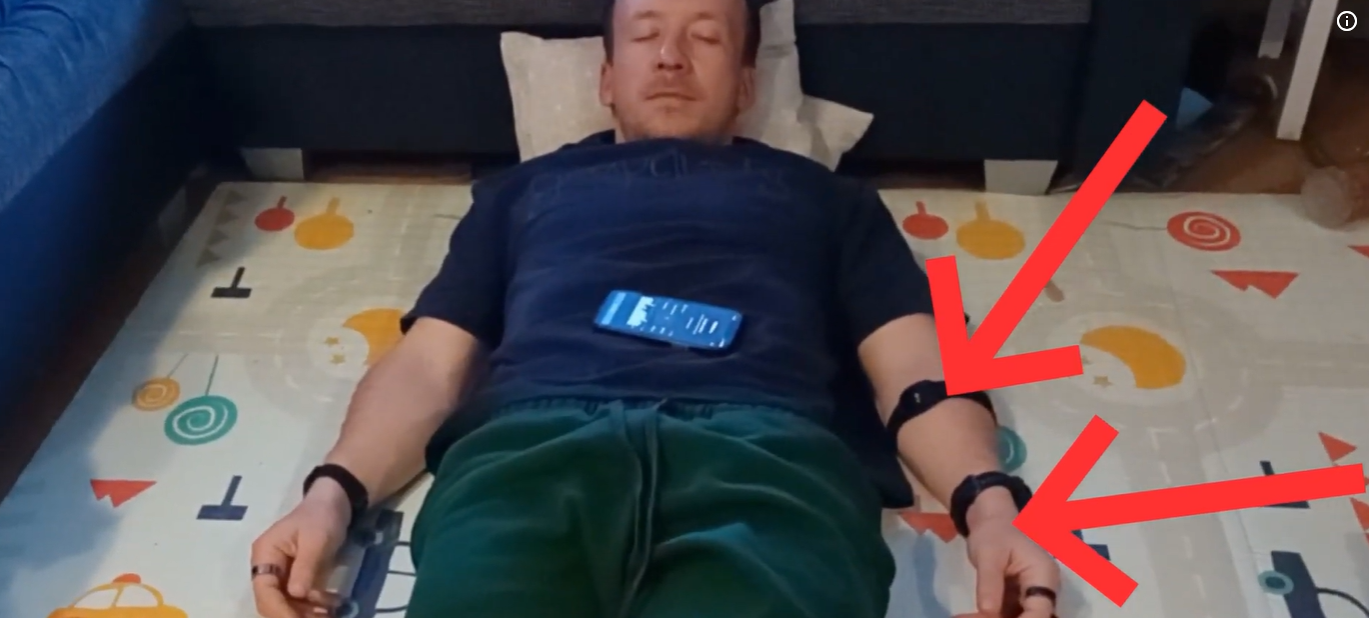
Result? Good correlation of 0.77
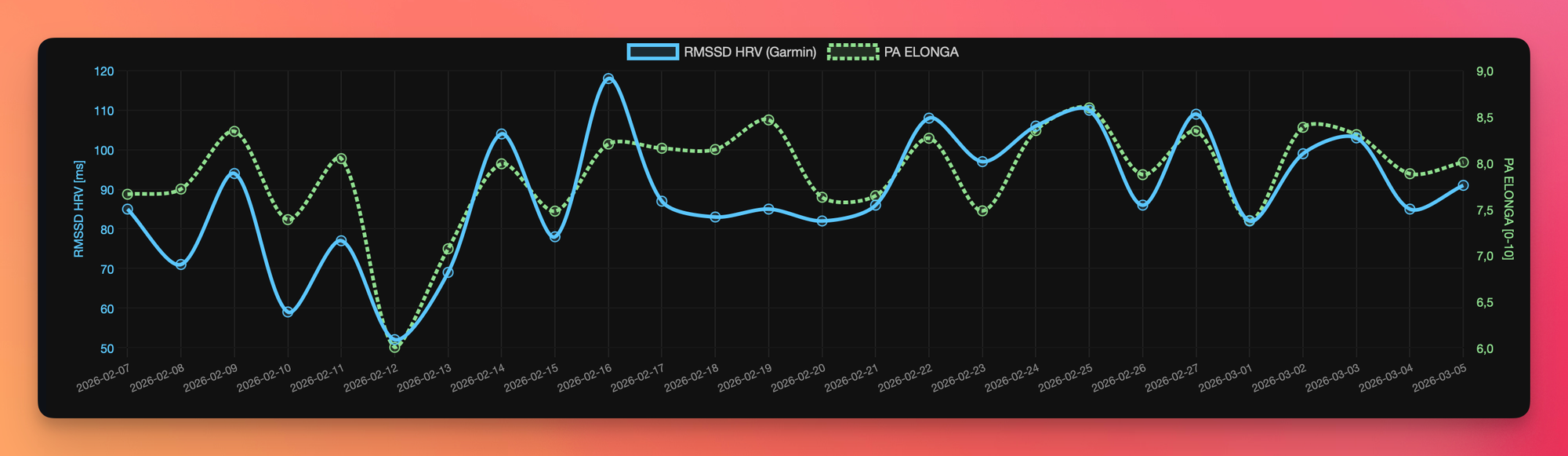
I have plenty more data to share on this, which I'll be diving into in future articles covering #ELONGA.
🏇 How Does Elonga Compare to the Competition?
Again, very difficult to compare each other, but it stands out like this:
| Feature | Elonga | Whoop | Oura Ring 4 | Garmin (HRV Status) |
|---|---|---|---|---|
| Measurement style | 3 min morning snapshot | 24/7 continuous | 24/7 continuous | Nightly + spot |
| HRV method | Spectral (LF/HF) | Time-domain | Time-domain | Time-domain |
| Wearable type | Forearm band | Arm band / wrist | Ring | Watch |
| Screen | None | None | None | Yes |
| Subscription | Yes | Yes (expensive) | Yes | No |
| Training plan integration | Yes | Yes | No | Yes |
| US availability | 🆕 Now | ✅ Yes | ✅ Yes | ✅ Yes |
| Tortilla Effect resistance | ✅ By design | ❌ Affected | ❌ Affected | Partial |
| Price (yearly) | ~$99 | ~$199-$299 | ~$349-$499+ | Varies |
✅ What I Like After 2+ Years
- The philosophy.
Standardized morning measurement eliminates the noise that makes 24/7 wearables predictable. The Tortilla Effect is real, and Elonga sidesteps it by design. - Spectral HRV analysis is genuinely more sophisticated than what most wearables offer. You're getting LF/HF decomposition, not just RMSSD.
- Hardware sensor can look cheap, but it is solid. Correlation of 0.976 against a chest strap in a demanding rowing test is respectable by any standard.
- Three minutes a day. No pressure marks, no sweat buildup, no notification creep — just strap it on, measure, and get on with your morning.
- Ongoing development - new features like AI Chatbot and Habit tracker seems to be useful.
- Elonga can be great companion together with smartwatch like garmin or Apple Watch (especially if you wanna track workout for plan execution automatically)
❌ What Could Be Better
- The LED diode is disruptive — in a dark winter bedroom, it may wake your partner. The DIY fix is a piece of tape,
- Subscription model — yes, there is one. It's not egregious like Whoop's, but it's worth being transparent about.
- Context-blindness can be confusing for new users. Elonga doesn't know you ran a marathon yesterday. It just sees your ANS state this morning. That's philosophically correct, but it requires user education.
💰 Pricing & Availability
Elonga is now available for US customers LAUNCH PRICE 99 $ for the first year.
Use code [FITNESATOR10] for 10 % Discount.
Disclosure: I earn a small commission if you purchase through my link. This doesn't affect my review — I've been using and writing about Elonga for over two years, long before any affiliate arrangement.
🏁 Verdict
Elonga occupies a wearable category that basically didn't exist before it created it: a dedicated morning ANS diagnostic HW band for everyday people, built on clinical-grade spectral HRV methodology that started with elite athletes and worked its way down to the rest of us.
It's not a Whoop competitor in the traditional sense. It's not trying to replace your smart ring or your Garmin. It's a 3-minute morning ritual that gives you a genuinely different kind of data — data that's resistant to the confounds that make 24/7 wearables unreliable as readiness tools.
There's no Ronaldo or van Dijk. No celebrity telling you this is the device that changed their game. Just hard science, a 30-year research pedigree, and a morning habit that — after two years — I haven't been able to quit.
Elonga is smart — just not in the way the industry means it. It does one thing differently than everyone else, and it does it right. That's the most honest endorsement I can give.
Who should get it:
- ✅ Anyone curious about what's actually happening inside their autonomic nervous system — without a clinical lab or a PhD
- ✅ People who want a simple, science-backed movement plan to optimize their activity throughout the day and week
- ✅ Anyone who's done with 24/7 wearables and the anxiety that comes with them
- ✅ People who already wear a smartwatch or smart ring and want to add a genuine ANS layer on top
- ✅ Anyone who wants a second opinion on their readiness — one that mainstream wearables simply can't give."
Who should probably look elsewhere:
- ❌ People who want a single all-in-one device (get an Apple Watch or a Garmin etc.)
- ❌ Anyone who needs 24/7 activity tracking, GPS for Strava data etc.
Elonga: ANS Diagnostics in 3 Minutes
Elonga is a unique, science-backed wearable designed for those who want deep health insights without 24/7 tracking. Built on 30 years of clinical research, it uses professional Spectral HRV Analysis to provide a precise snapshot of your Autonomic Nervous System (ANS) in just 3 minutes each morning.
VIDEO VERSION
Elonga Youtube review