Pebble Index 01 Review: The Smart Ring That Measures Absolutely Nothing
No sensors, no charging, no subscription – just a button and a microphone. I tested the Pebble Index 01 voice-note ring as a way to catch ideas on the go.

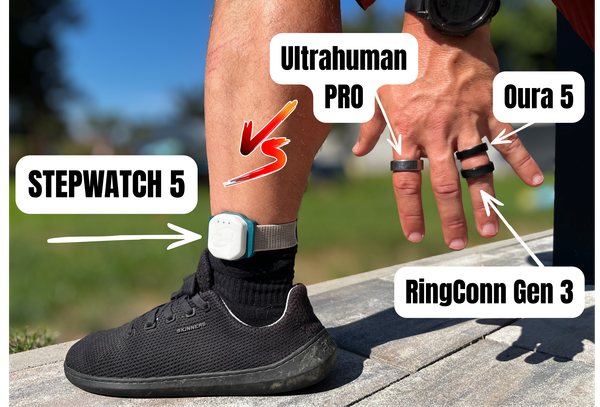
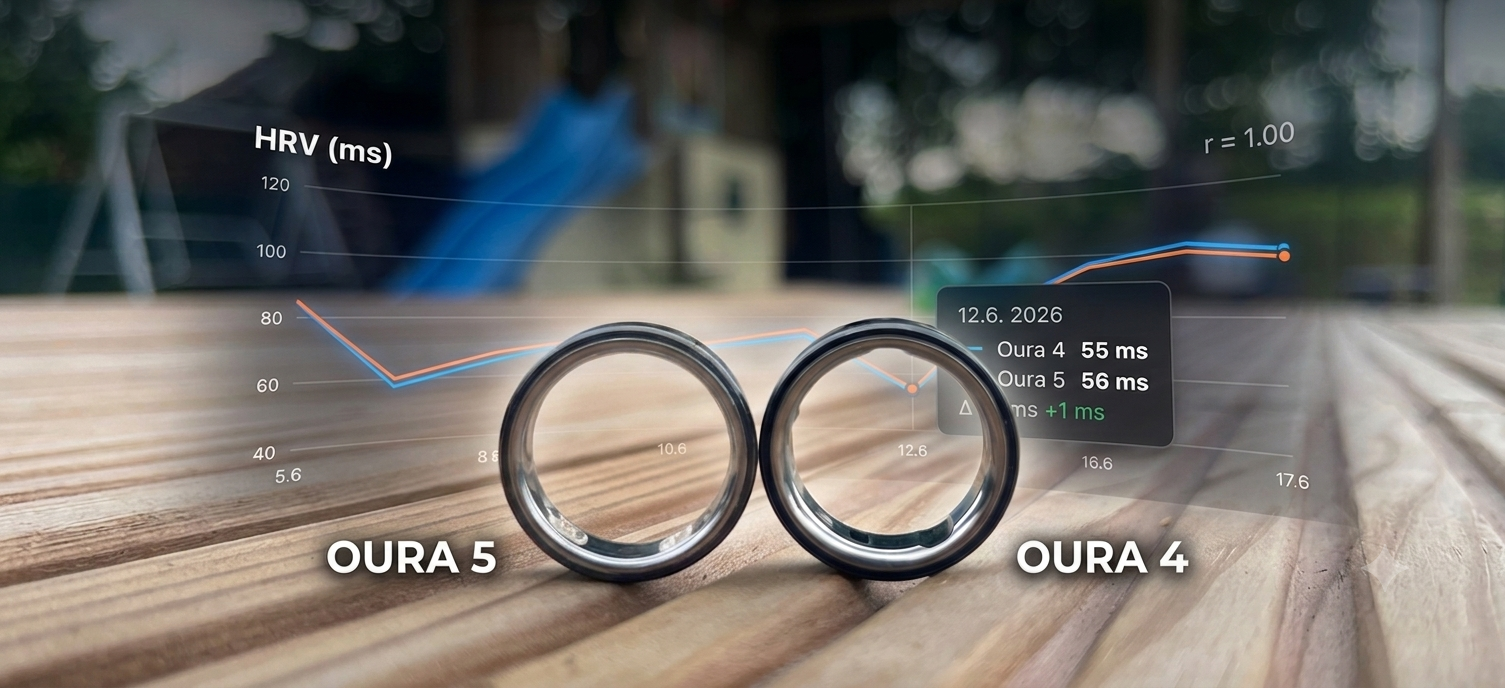
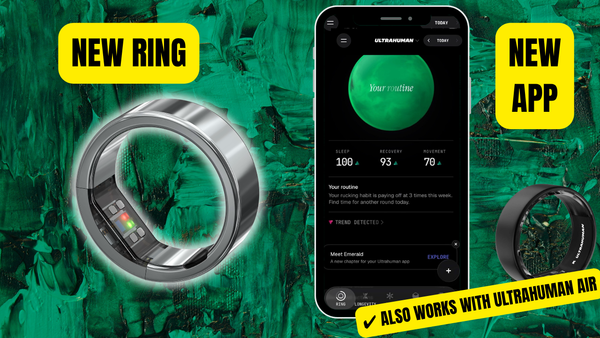
Over the last few years, so many smart rings have passed through my fingers that I have to keep track of them in a spreadsheet. Four generations of Oura, two Ultrahumans, four RingConns, the Galaxy Ring, Amazfit Helio, a couple of budget rings… They all have one thing in common: they measure something. Usually heart rate, HRV, temperature and steps — and sometimes things they can't really measure :)
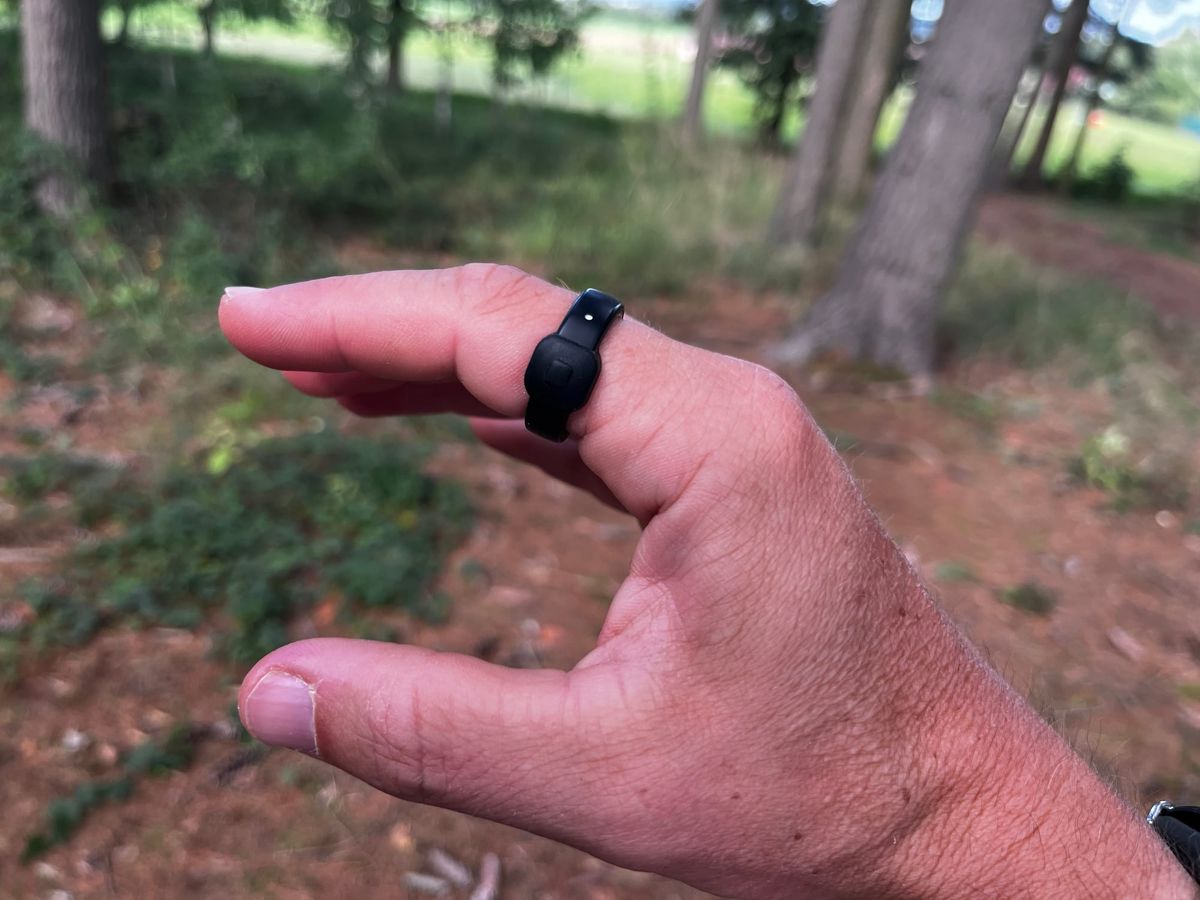
The Pebble Index 01 measures nothing. No sensors, no PPG, no accelerometer, no readiness score waiting for you in the morning.
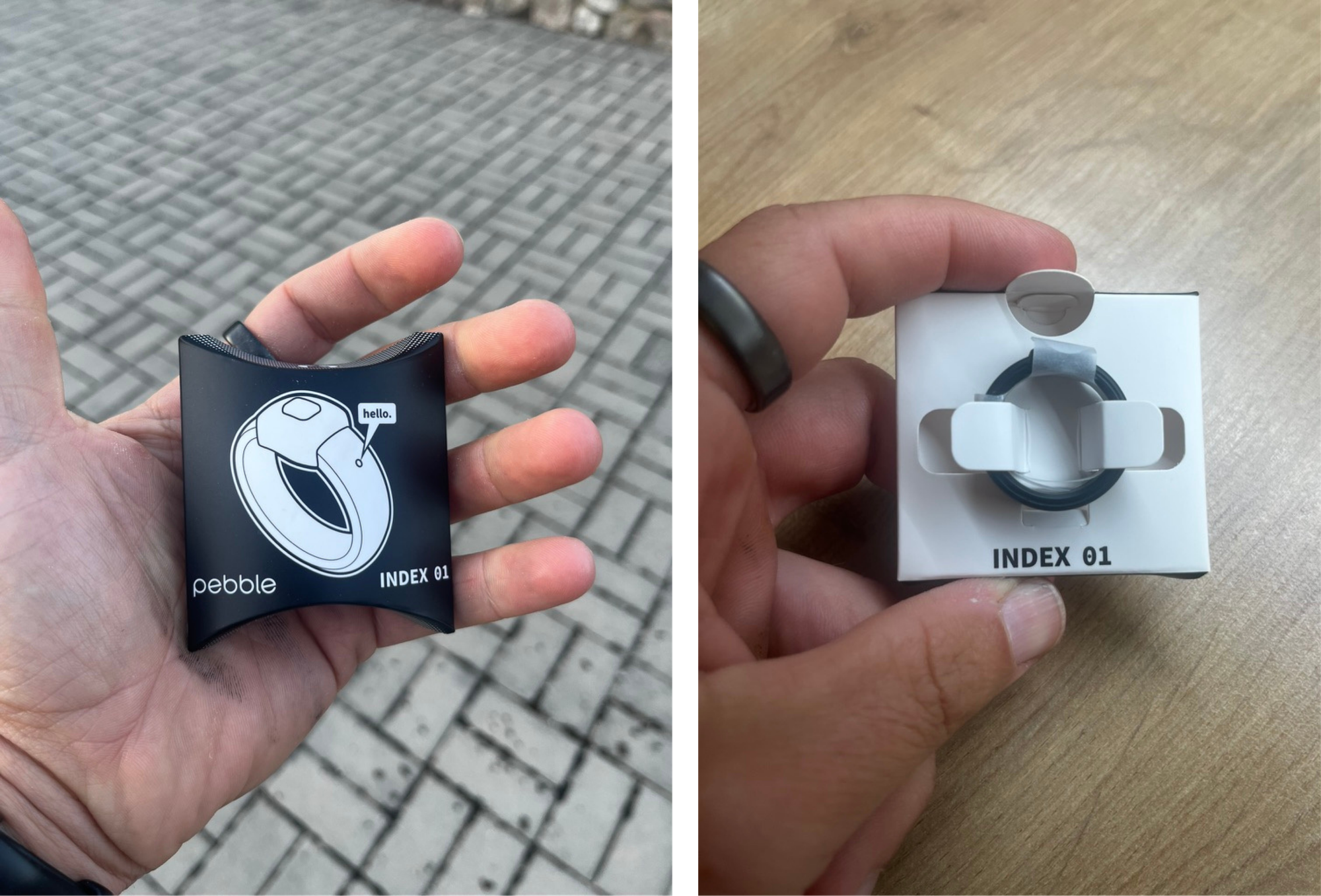
And maybe that's exactly why it's the most interesting piece of wearable tech I've had on my hand this year. It's a ring with a button, a small LED and a microphone. The basic use case looks like this:
🔘 press the button ➡️ say what's on my mind ➡️ I've got a saved note
And no, you don't need to panic right away that this is another privacy thief — the kind of worry many people have about the Ray-Ban Meta glasses, the Plaud NotePin or the Limitless (now Meta) Pendant.
Let's take a look at the product, the company, the app, my experience so far — and why Dumbledore would definitely love the Index 01.
Let's go 💥
Disclosure: some links in this article are Amazon affiliate links. As an Amazon Associate I earn from qualifying purchases — it costs you nothing extra and helps keep these tests independent.
🕰️ What is Pebble, anyway?
In case you need it, let me quickly refresh your memory about the once-legendary Pebble brand.
In April 2012, Eric Migicovsky launched a Kickstarter campaign for a smartwatch with an e-paper display. He raised $10M from almost 70k backers, making it the most successful campaign in Kickstarter history at the time. Three years later he did even better with the Pebble Time: $20M from about 80k backers. In total, Pebble sold over two million watches.
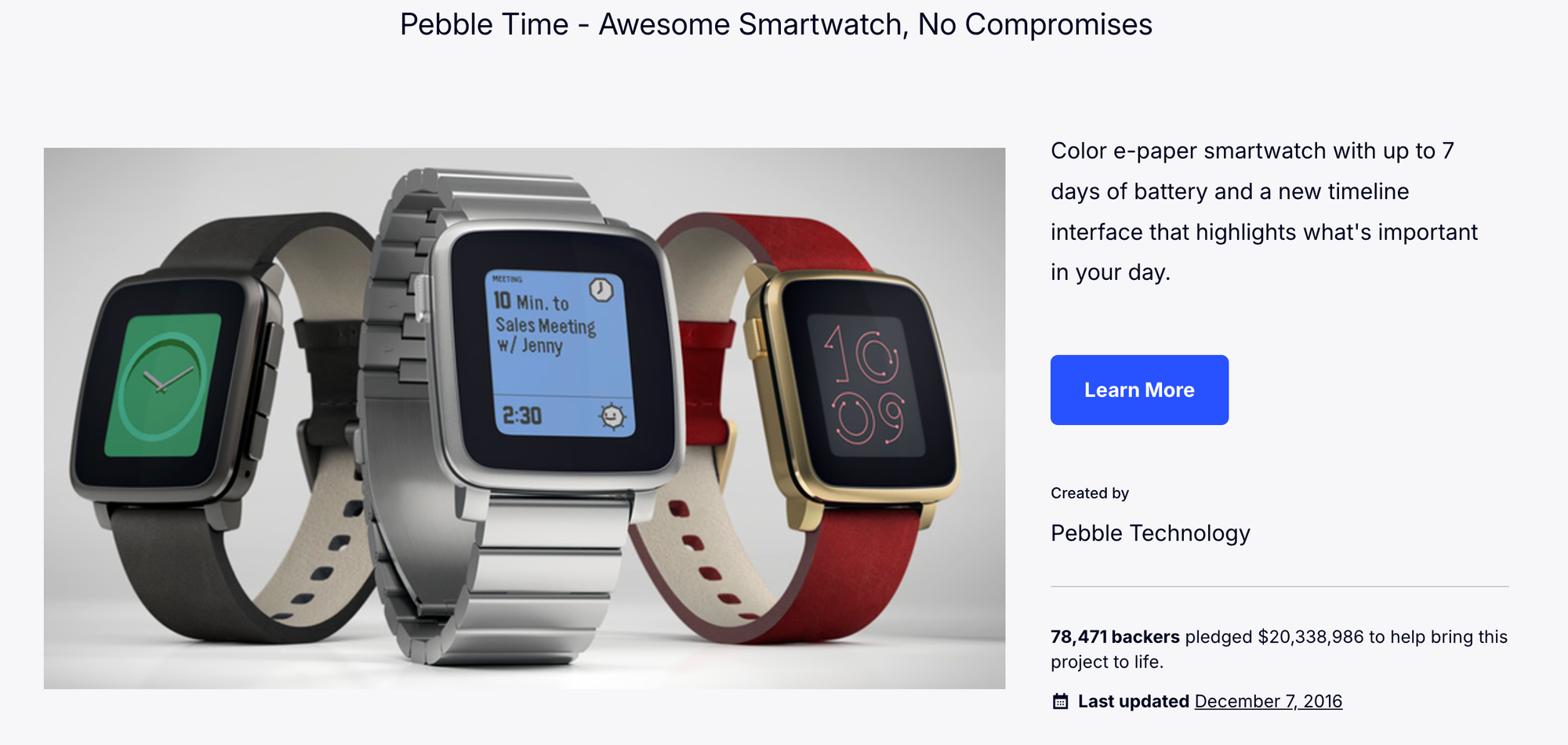
Then (probably) the Apple Watch arrived and the party was over. On December 7, 2016, the company announced it was shutting down and sold its assets to Fitbit. Google then swallowed Fitbit in 2021, so all of Pebble's intellectual property ended up at Google.
Normally, the story would end here (like so many others). But the Pebble community kept the watches alive for years after the official servers went dark — and in January 2025, Google released PebbleOS as open source. Migicovsky announced right after that Pebble was coming back.
New watches followed — the Pebble 2 Duo for $149, the Pebble Time 2 for $225 and the Pebble Round 2 for $199. And in December 2025, Migicovsky added something nobody really expected: a ring. And without an e-ink display, of course :)
🎙️ What does the Index 01 actually do?
The principle is really simple. You wear the ring on your finger. An idea pops into your head 💡 You press and hold the button, say a sentence, let go. The ring stores the recording in its own memory, sends it to your phone over Bluetooth, and the Pebble app processes it.
You can customize what the button presses do — although on iOS the first three gestures aren't available at the moment:
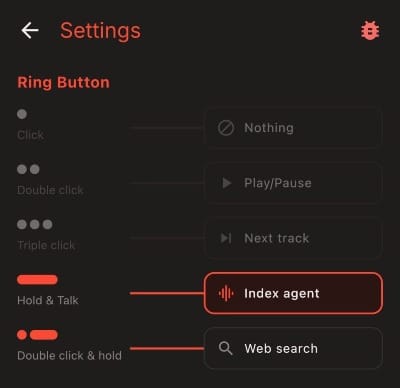
Index Agent
I only use Hold & Talk. In the app settings, you can choose what should happen with the recording next. I use the Index Agent option: the app (or rather the LLM behind it) decides whether to turn it into a task, a note, a calendar event or a message — sending messages unfortunately doesn't work on iOS :(
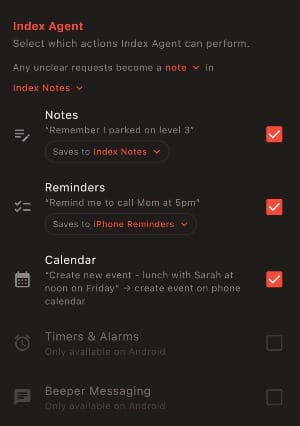
Surprisingly, the iPhone Reminders integration works very reliably — I use it to add items to our shared family shopping list just by talking to my hand.
Unfortunately, you can't save notes to Apple Notes right now, which is why I haven't built a fixed workflow yet for what should happen with my notes. For now, they're stored in the Pebble app (Obsidian and Notion are the other options).
So I can see my notes in the app and also in the web dashboard, which I currently use to manually sort them into my second brain (which is a bit of a problem, because I still don't have one).
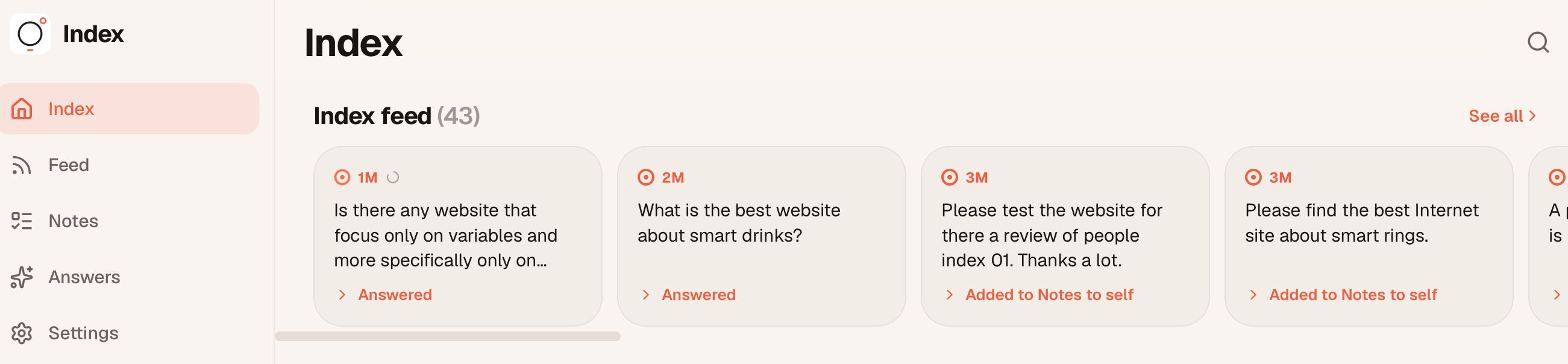
Web Search
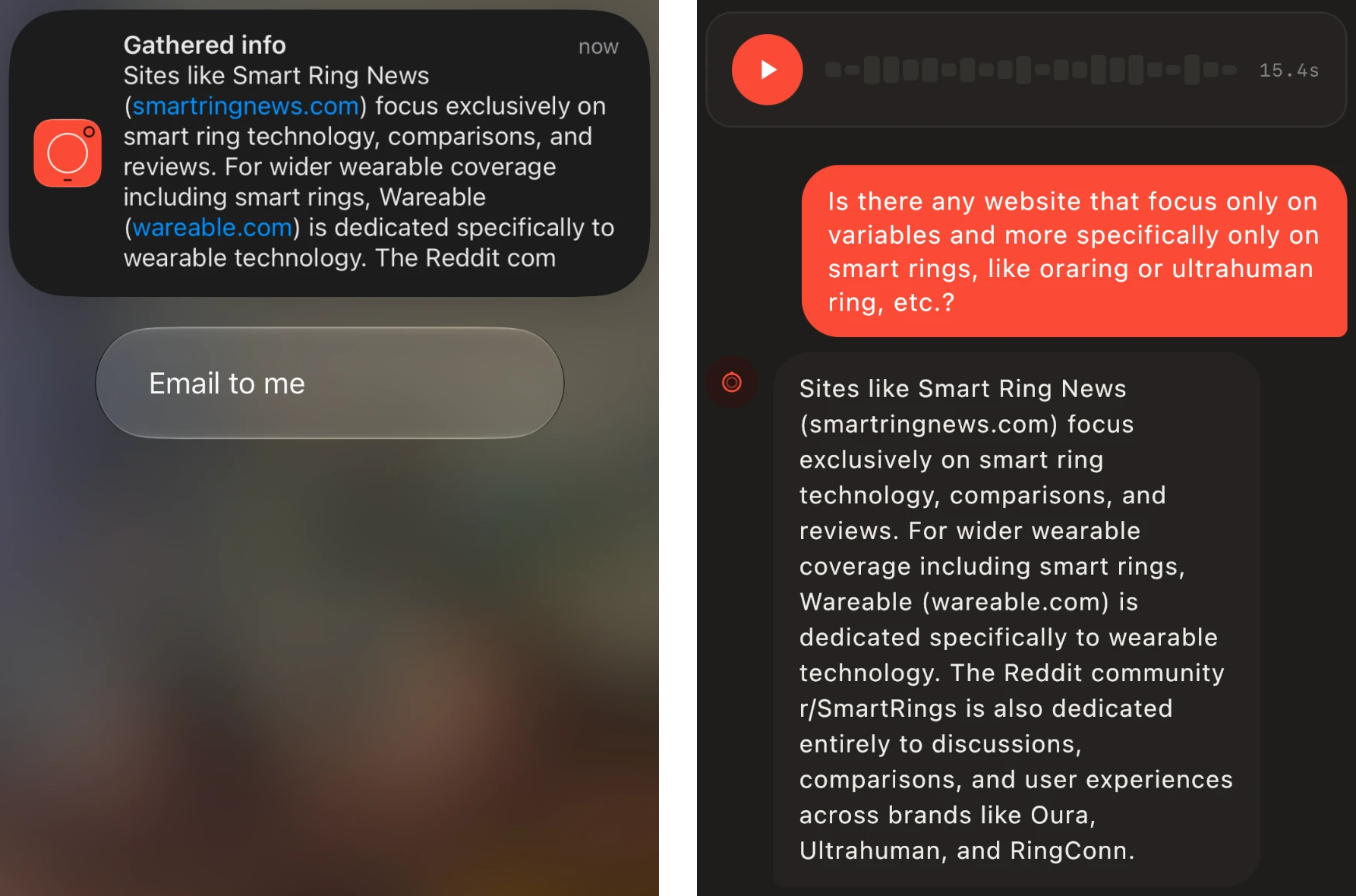
I also briefly tried the Web Search option (you can export the audio recording from the app, so here's what I actually said):
The answer pops up as a notification (with an "Email to me" button) and in the app. Fun fact: it heard "variables" instead of "wearables" — and still nailed the answer:
The app is clearly still in development, and the roadmap has a few unfinished items. For geeks, there are more advanced options such as an MCP server or webhooks. As for language, you can choose the transcription language yourself — either let it auto-detect or pick a specific one.
⚙️ Tech specs
| Spec | Value |
|---|---|
| Thickness / width | 2.95 mm / 6.6 mm |
| Weight | 4.7 g (size 10) |
| Material | 316 stainless steel, liquid silicone rubber (LSR) button |
| Sizes | US 6–13 (size 6 in gold only) |
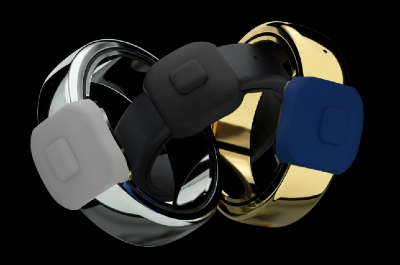
| Colors | Polished gold, matte black, brushed silver |
| Battery | Silver-oxide, non-replaceable and non-rechargeable |
| Battery life | 12–15 hours of recording ≈ 2 years of typical use |
| Internal storage | Up to 5 minutes of audio |
| Max recording length | 2 minutes |
| Microphone range | 5–20 cm, with ambient noise suppression |
| Water resistance | Up to 1 m (handwashing, showering — not swimming) |
| Connectivity | Bluetooth LE, encrypted connection to your phone |
| Platforms | iOS and Android, open-source app |
| Subscription | None |
| Price | $75 pre-order, $99 regular |
Sources: repebble.com/index, Index 01 Is In Mass Production.
🔋 A battery you never charge (?)
This is the topic that will probably split us into two camps. I keep switching between them myself.
The Index 01 has a battery that can't be replaced or recharged. It lasts 12–15 hours of pure recording time, which Pebble translates into roughly two years at 10–20 button presses a day.
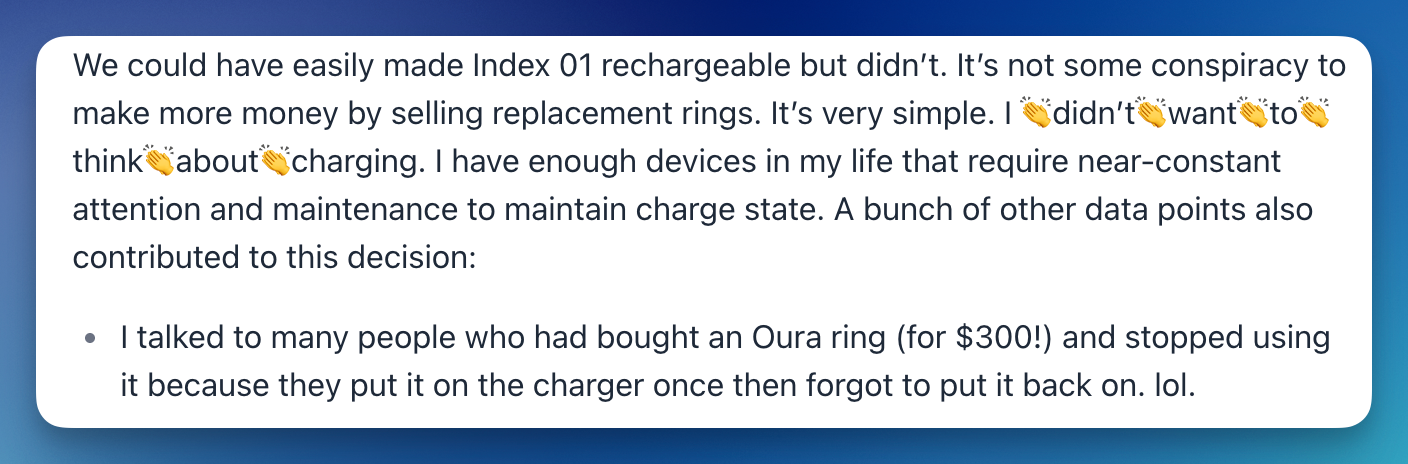
I understand the reasoning (I'm actively using seven rechargeable rings right now :). Still, it's the biggest question mark of this whole review for me. In two years, I might be throwing away a piece of stainless steel just because its battery died. On top of that, the recycling program is so far confirmed only for the US, and we don't know how it will work in Europe or elsewhere. If the ring had a replaceable coin cell, I'd be more than happy. As it is, it leaves a slightly bitter aftertaste…
✍️ Why did I get this ring?
Well, apart from the obvious "gotta catch 'em all (smart rings)", I had a specific reason with the Index 01.
Here's the thing. When I'm cycling to work or out on a run, my head switches to idle mode — and that's exactly when an idea is born. Then I get to the office, the change of environment changes my mental state too, and the idea is gone (you know where).
The obvious answer is a good old notebook, but let's admit it doesn't really go together with a bike. I've been trying to figure out voice notes for thoughts and ideas for a long time. There's also the phone, but that comes with the risk of spotting a notification and falling down the rabbit hole… I was hoping for quick voice notes ever since the Garmin Fenix 8. Unfortunately, Garmin's voice recordings are stored on the device itself, which makes any further processing and sorting a pain.
So? For me, the ring was meant to be a gadget for quickly dropping off a thought, an idea or a memory. And this is where Dumbledore comes in, because this is exactly how I imagine the process… :)
Some of you might be thinking that it's windy on a bike, so the recording will be noisy, and so on. And you'd be right. Of course, it affects the transcription:
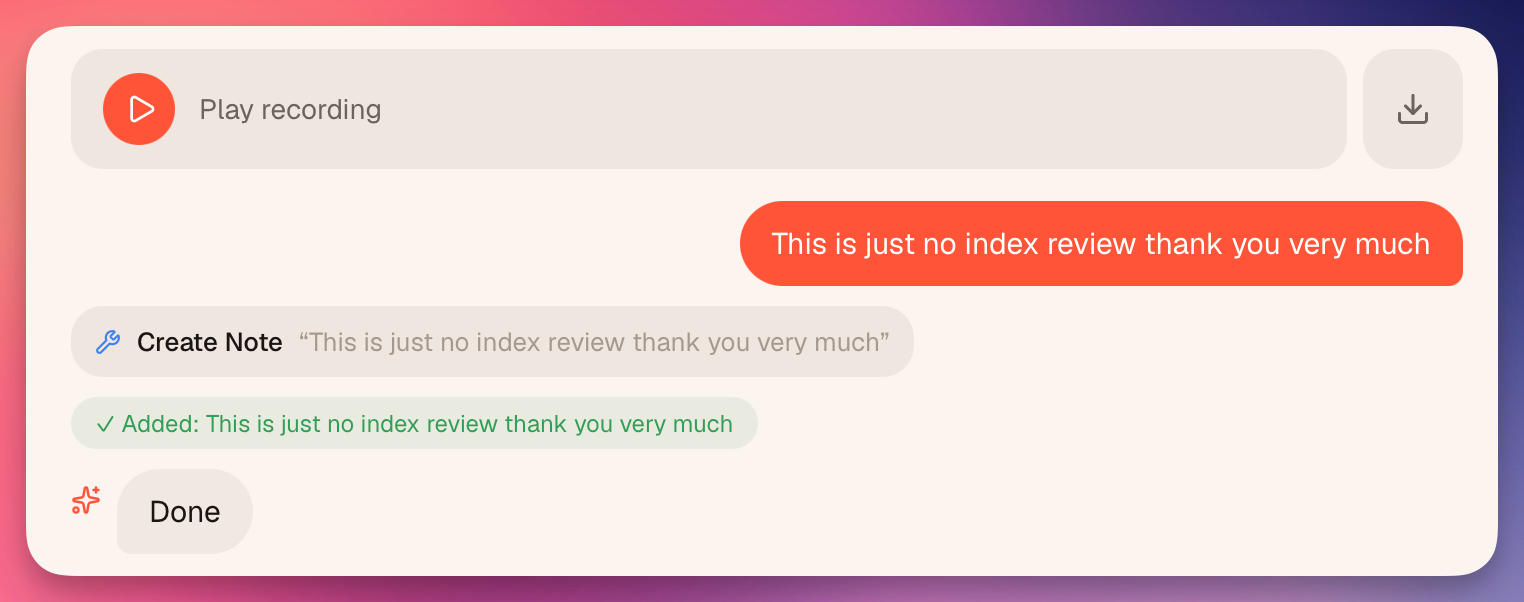
And what did I actually say?
Still, it hasn't happened yet that I couldn't figure out what I meant.
⚖️ Pros and cons
⚖️ Depends on how you look at it
Single-purpose device
- It does exactly one thing – captures a short thought or note, or sends a message. And nothing else distracts you from it.
- It does exactly one thing. No sensors, no health data, no second life once you get bored with it.
A battery you never charge
- You never charge anything. And the limited "budget" makes you filter what's really worth recording.
- After 12–15 hours of recording, the ring is done and you buy a new one. You can't replace or recharge the battery.
✅ Pros
- Well-made hardware – Oura-like dimensions, a button with honest, solid feedback
- No subscription, open-source app
- Records only while you hold the button; transcription can run fully on your phone
- Works with Apple Reminders, Google Tasks, Notion, Obsidian and custom webhooks
- Notes available on your computer via the web dashboard
❌ Cons
- Recycling confirmed only for the US so far, 30-day warranty
- Platform limitations – no messages, timers or alarms on iOS
- You have to go through ring sizing, and the rings tend to run small
- Not a meeting recorder – two minutes max per recording
By the way, that non-replaceable battery has an interesting psychological effect I haven't come across with any other device. Because the ring's lifespan is limited, I always stop for a second and think whether the thought is really worth recording — and worth "spending" battery on. The limited resource forces me to filter. I didn't expect it, but it's more of a plus than a minus.
💰 Price
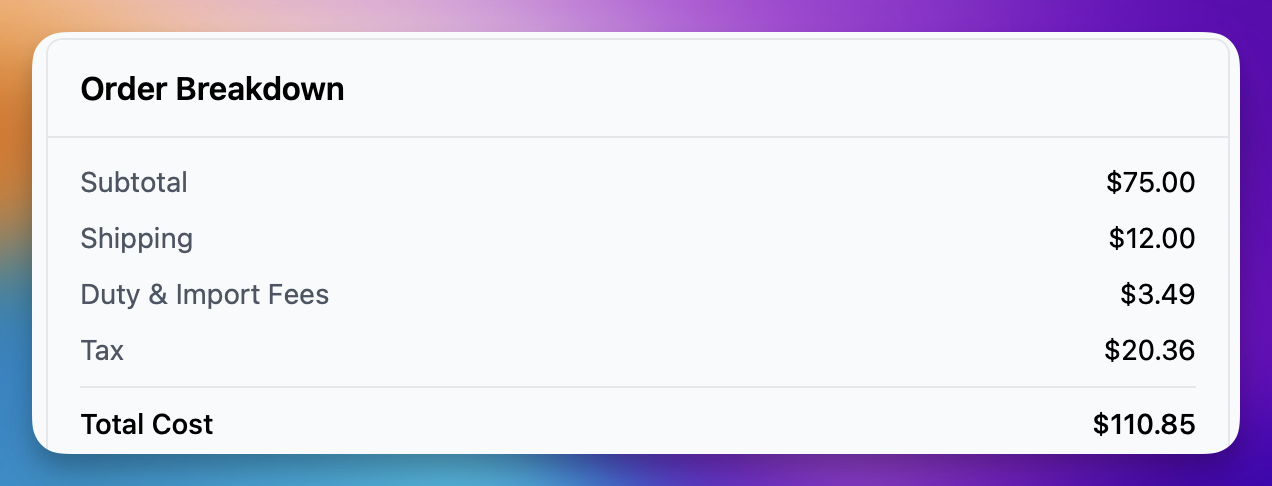
The pre-order price was $75, and the website still shows $75 at the moment. Just keep in mind extra costs if you're ordering from outside the US — my ring ended up costing me $110 delivered to Europe, including shipping and import fees.
💬 Final verdict: Do you need it?
Of course you don't. You can always use pen and paper to catch your thoughts. I've already shared some bits from my testing on social media, and I dug up two reactions:

To the first one, I'd say every product has its buyer. It depends a lot on whether you're fine wearing a ring and, above all, whether it fits into your personal information workflow.
Stanislav is right about one thing: we need to train our memory AND our brain more than ever. And yes, research on "cognitive offloading" really shows that when we store information externally, we remember it worse. But with the Pebble, we're talking about a situation where we want to use external memory (like pen and paper) to free up our brain's internal capacity — just like Dumbledore does.
And most importantly: I don't record what I want to remember. I record what I don't want to keep in my head, but want to file away for sorting later.
So while the Pebble Index probably won't fit into Stanislav's note-taking habits, it will surely fit someone else's.

I'm not quite there yet — I'm letting my excitement settle, and we'll talk again in six months.