Oura Symptom Radar — Am I Getting Sick? And What Actually Helps?
I hate being sick — so I’m testing whether smart rings can detect an approaching viral infection earlier than my own symptoms. I looked at Oura’s Symptom Radar, compared the data, and used SciSpace to separate science-based interventions from “I heard it from someone.” Which habits actually work?

I hate being sick. I just wish I could be sick twice. Doesn't make sense? Let me explain. When I feel something coming on, I throw every hack I have at it to shorten the illness. But then I never find out what actually worked. Every illness plays out differently, and A/B testing on your own body has its limits.
There are two things I love about wearables. First, the big-picture view — weeks, months, and years of health data (heart rate, temperature, sleep quality) and habits. And second, the ability to zoom in on daily anomalies that might signal a problem.
And who's the furthest ahead when it comes to tracking these anomalies? Oura, with its Symptom Radar feature.
This article is a loose follow-up to these posts:
 FITNESATOR
 LORDoftheSMARTRINGS
How Does Oura Symptom Radar Work?
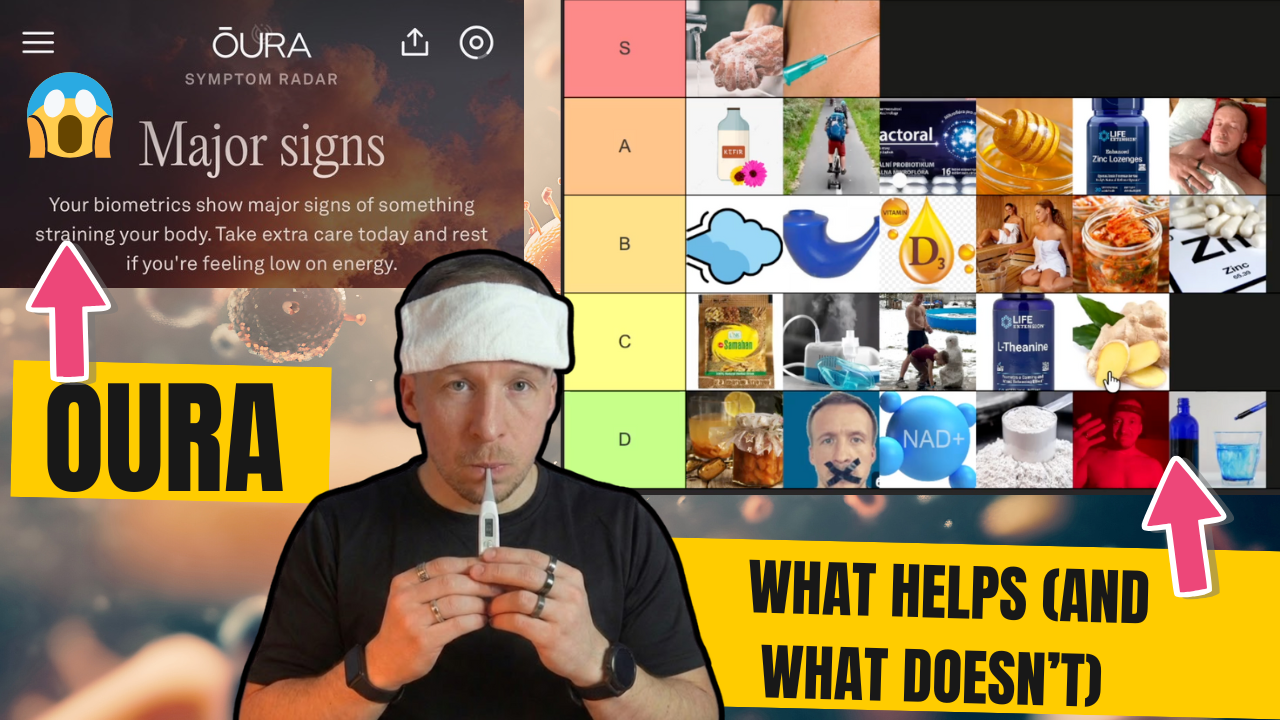
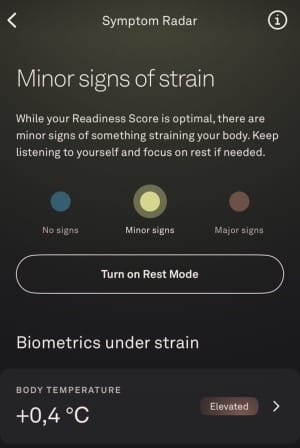
Symptom Radar monitors changes across more than 40 biometric signals. It focuses on skin temperature, respiratory rate, resting heart rate, HRV, and more. The algorithm classifies its findings into three levels: No signs, Minor signs, and Major signs.
Oura says:
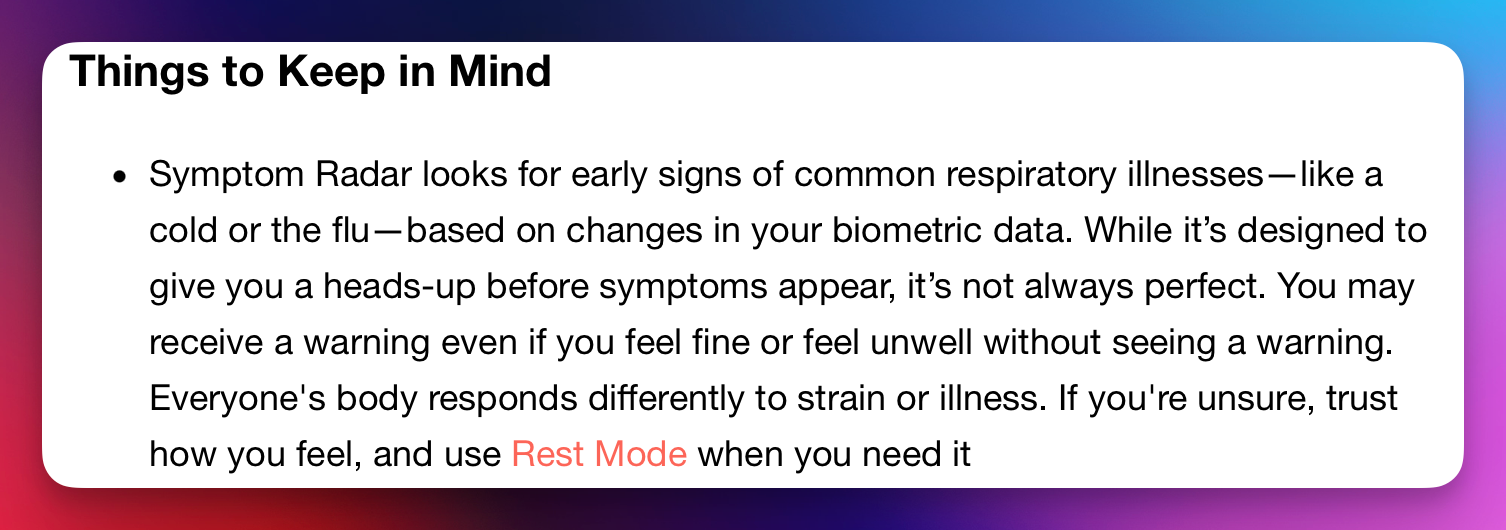
It runs quietly in the background. If it picks up something, it alerts you on its own. From my experience, it doesn't always nail the prediction, but it's a useful heads-up that something might be going on under the hood.
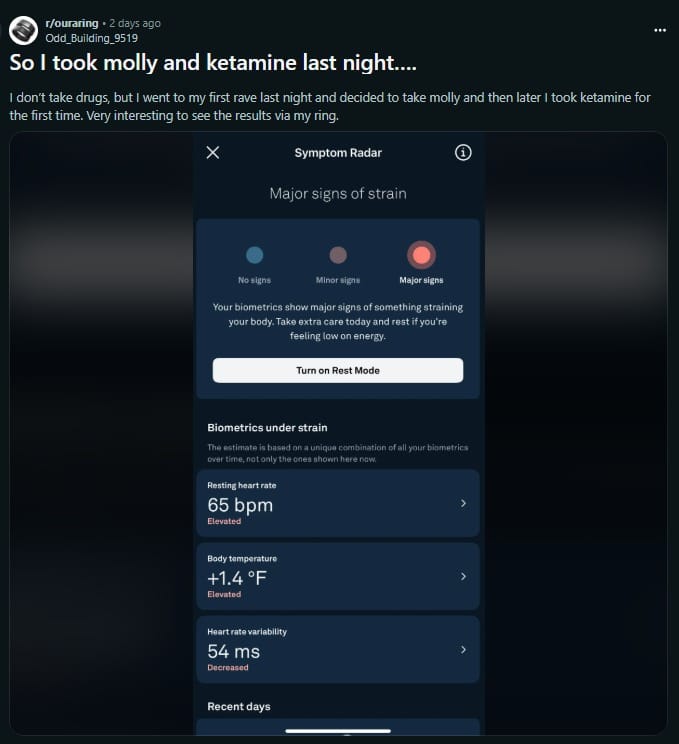
Fun Fact: Symptom Radar can also double as a party detector :)) Sometimes it's a false alarm, sometimes it's predicting where I'll be sleeping the next night:
Recently, the Major signs popped up in my Oura app again.
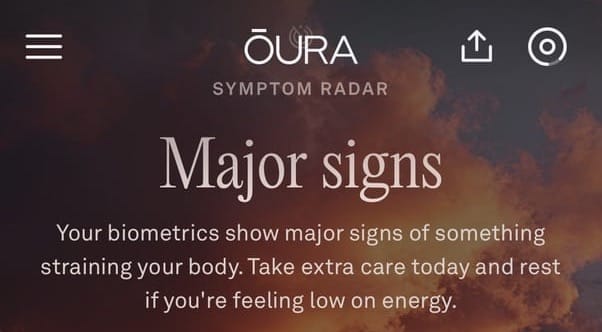
And since our house had turned into a coughing, sneezing, nose-blowing battlefield, I had a bad feeling. So I pulled out every trick in the book.
Hot liquor with ginger and honey?
Sure, but then I started wondering — are the remedies I'm using actually backed by science, or are they just old wives' tales?
To get the most science-based answers possible (as a non-doctor), I dug into research papers. Doing it manually would have taken months, so I used SciSpace — an AI tool specialized in reading and analyzing scientific studies.

SciSpace
SciSpace (formerly Typeset.io) is an AI tool specialized in reading and analyzing scientific studies.
The key difference compared to ChatGPT lies in accuracy. While ChatGPT was trained on data from across the internet and can sometimes make up facts (so-called “hallucinations”), SciSpace draws its answers exclusively from a database of peer-reviewed scientific publications. For every claim, it provides a real citation and a source link, giving you confidence that the information is evidence-based rather than a creative invention of artificial intelligence.
Here's how I approached it: I took my favorite interventions, fed them into SciSpace, and asked it to evaluate them — plus suggest any significant ones I'd missed. I was looking for habits, substances, environmental factors, and recommendations that impact both prevention and treatment.
I ranked the results using an SABCD rating system (S being the best, D the weakest). Here we go:
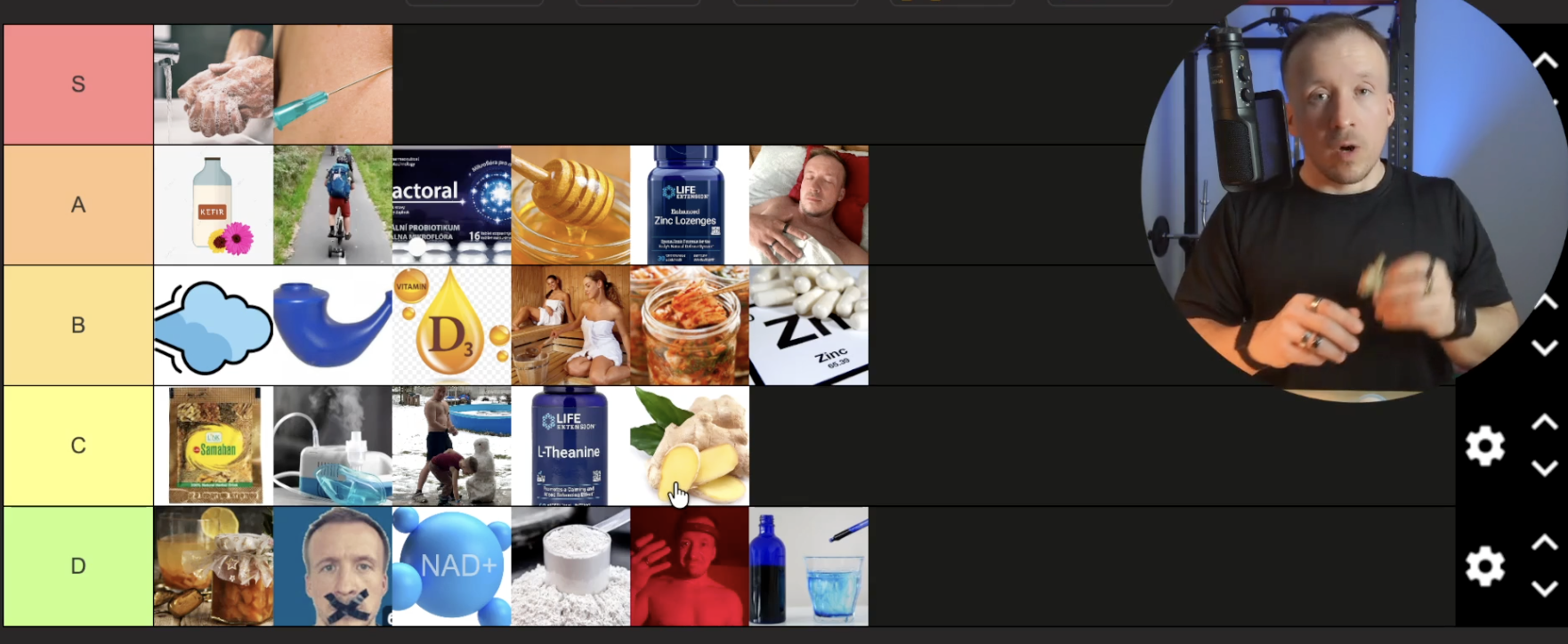
💨 Ventilation [Grade: B]
Regular air exchange to reduce virus concentration indoors. While direct clinical trials are lacking, mechanistic evidence confirms that airflow effectively dilutes infectious aerosol. It's a zero-cost method that significantly lowers the risk of infection in enclosed spaces. High CO2 levels are a good indicator that ventilation is poor.
 FITNESATOR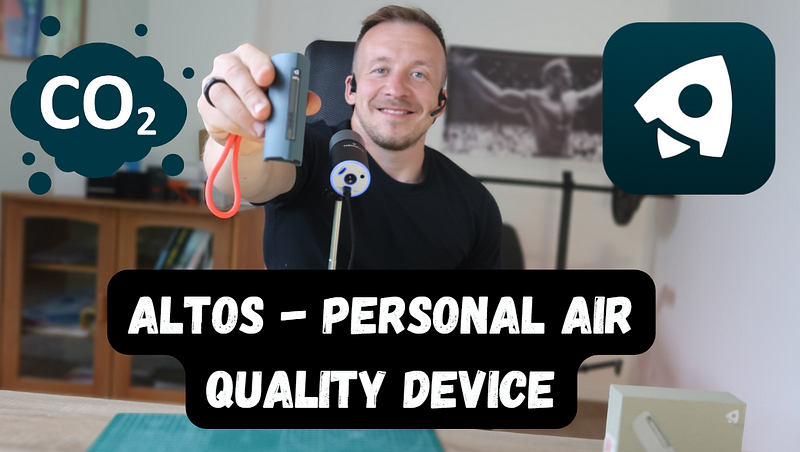
 LORDoftheSMARTRINGS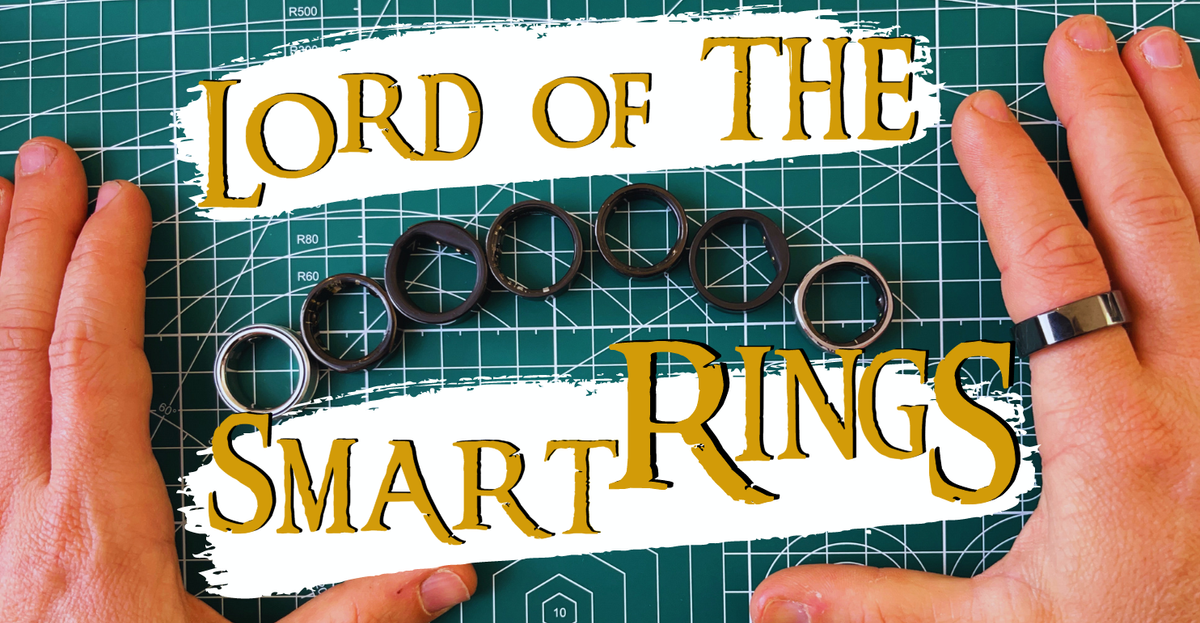
🥛 Kefir [Grade: A]
A fermented drink packed with beneficial microorganisms. A meta-analysis of 22 studies involving over 10,000 people showed a 19% reduction in respiratory infection risk. It works across all age groups as a strong preventive measure.
👃 Nasal Rinses [Grade: B]
Rinsing the nose with saline solution using a Neti Pot. A large ongoing study with 270 participants aims to standardize optimal temperature and salt concentration. A promising method for clearing the nasal passages — just make sure to use sterile water. BUY HERE.
🏃♂️ Physical Activity [Grade: A]
Regular moderate-intensity exercise to support immune cells. The literature confirms that an active lifestyle reduces the incidence of respiratory illness by 25–50%. Exercise is one of the strongest pillars of long-term resilience.
🥃 Hot Liquor with Ginger, Lemon, and Honey [Grade: D]
A traditional folk remedy believed to "burn out the germs." No studies have ever tested this combination, and alcohol actually weakens the immune response. For children, this mixture is outright dangerous.
💊 Vitamin D [Grade: B]
A vitamin crucial for immune system function. A large meta-analysis of over 48,000 participants confirmed an 8% reduction in infection risk, with the greatest benefit for people who are deficient. In children, it can cut flu incidence by up to half. BUY HERE.
🧫 Probiotics [Grade: A]
Selected bacterial strains that strengthen both mucosal and systemic immunity. A Cochrane review of 23 studies with nearly 7,000 people confirmed a 24% reduction in infections and a shortening of illness by more than one day. One of the best-documented prevention methods for both adults and children.
🤐 Mouth Taping [Grade: D]
Taping the mouth shut at night to force nasal breathing. No clinical studies have evaluated its impact on preventing or treating illness. During a cold or for children, this method can actually be risky.
💊 NAD+ Supplementation [Grade: D]
Supplements like NMN or NR aimed at cellular energy. No clinical studies have shown their effectiveness against colds or viral infections. In this context, it's a scientifically unsupported investment. BUY HERE.
🧖♂️ Sauna [Grade: B]
Regular heat exposure to stimulate the immune system. A study of 50 volunteers showed that regular sauna use can reduce the number of colds per season by up to 50%. Great for prevention, but avoid it when you have a fever.
🍯 Honey [Grade: A]
A natural product that soothes throat irritation. A Cochrane review of 6 studies with 800 children showed that honey suppresses nighttime cough more effectively than many pharmacy syrups. Studies confirm it can shorten symptom duration by 1–2 days.
🧼 Hand Washing [Grade: S]
Basic hygiene with soap and water to remove pathogens. One of the most effective methods — research shows it reduces respiratory illness by 20–50%. The cheapest and best-documented prevention method for everyone.
🍭 Zinc Lozenges [Grade: A]
Ionic zinc that acts directly on the throat lining. A meta-analysis of 17 studies confirmed that in adults, they shorten illness by up to 2.5 days if started within 24 hours. One of the strongest tools for acute cold treatment. Choose the ENHANCED lozenges.
 FITNESATOR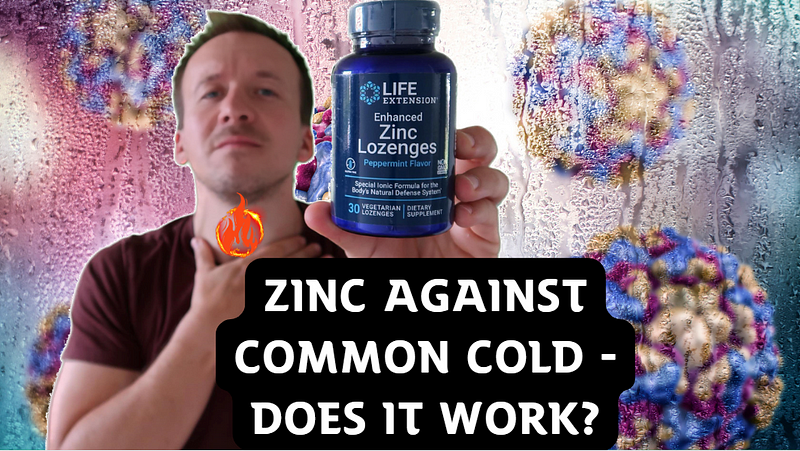
💪 Creatine [Grade: D]
A supplement for increasing muscle strength and performance. No studies have examined its effect on immunity or respiratory infections. Currently has no scientific basis for cold treatment.
💉 Flu Vaccination [Grade: S]
Annual vaccination targeting specific virus strains. Studies clearly show it reduces flu incidence by 50–70%. The most effective specific prevention against influenza.
😤 Steam Inhalation [Grade: C]
Inhaling steam or using humidifiers to soothe the mucous membranes. No specific clinical studies confirm a therapeutic effect, but in practice it helps relieve a stuffy nose. It won't cure the infection itself, but it makes breathing easier.
⛄ Cold Exposure [Grade: C]
Brief exposure to extreme cold to build resilience. Direct studies on viral infections are very limited, and during acute illness it's definitely not recommended due to the stress on the body. May work as prevention, but not as a cure.
😴 Sleep [Grade: A]
Deep rest lasting 7–9 hours. Studies confirm that people sleeping less than 7 hours have a 3x higher risk of catching a cold. Quality sleep is absolutely irreplaceable for your immunity.
🔴 Red Light Therapy [Grade: D]
Using infrared and red light panels. While it helps with recovery, no quality studies have evaluated its impact on cold prevention or treatment. Currently an ineffective method in this area. Buy Here.
🔵 Methylene Blue [Grade: D]
A substance with specific medical uses, tried as an experimental supplement. No studies exist for cold treatment, and it carries serious side effects like serotonin syndrome. Without medical supervision, it's a risky experiment.
🍵 L-Theanine [Grade: C]
An amino acid from tea leaves. A study of 176 men suggested reduced cold incidence, but illness duration didn't change. A potentially effective supplement that needs more research. BUY HERE.
🥬 Kimchi [Grade: B]
Fermented vegetables rich in lactobacilli that support immunity. While direct studies on viral infections are lacking, supporting the gut microbiome demonstrably helps immunity. A natural and cheap way to get probiotics.
💊 Zinc (Prevention) [Grade: B]
Long-term zinc supplementation to build resilience. A study of 59 people showed no benefit in healthy individuals unless they were actually deficient. It likely only helps people with a true zinc deficit.
🫚 Ginger [Grade: C]
A root with anti-inflammatory properties, popular in home remedies. Despite its reputation, there are no direct clinical trials in humans confirming its effect on viral infections. It may help symptomatically, but its impact on illness duration is unproven.
Conclusion
Smart rings and other wearables aren't crystal balls. They won't tell you what's going to hit you or exactly when. But they can catch the moment when your body starts running a different program than usual. And that's the moment when it makes sense to pay attention.
Oura with its Symptom Radar is currently at the top of the game here — not because it "predicts illness," but because it combines multiple signals into a single, actionable warning.
Two important notes to wrap up:
1) Standard disclaimer: I'm not a doctor. I'm more of a tech guy (and lifehacker) who likes to measure, compare, and read studies. If you find an error in this article, I'd appreciate a heads-up. Treat this as personal experience + an evidence overview, not medical advice.
2) Evidence vs. feelings: I stick to a science-based approach. But at the same time, placebo counts too. If an intervention improves your condition, mood, or sense of control, that has value — even if the perfect study doesn't exist yet. Data matters, but we're not just a graph in an app. I also believe in the synergistic effects of combining interventions.
Wearables won't cure you. But they can give you a head start. And sometimes that's enough to turn "I think I'm coming down with something" into a mild inconvenience instead of a week in bed.
Cheers! 🥂